






What's Happening?
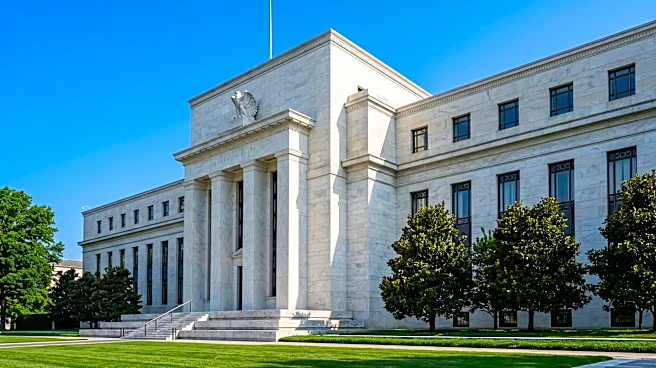
The Federal Reserve's internal watchdog, the Inspector General (IG), has recommended significant changes to the process governing the selection of leaders for the 12 regional Federal Reserve banks and other senior staff. The IG's report specifically highlighted
concerns regarding the oversight of Class C directors on regional Fed boards. These directors, appointed by the Federal Reserve Board of Governors in Washington, currently lack sufficient pre-screening for potential conflicts of interest and are not adequately informed about prohibited stockholdings before their appointment. The report also noted that Class C directors are not required to personally review and account for their financial interests to ensure compliance with conflict policies or eligibility requirements. Furthermore, the IG found that the Federal Reserve in Washington has not clearly documented its candidate selection process for Reserve Banks, leading to inconsistencies in practices across different regional banks.
Why It's Important?
These recommendations are crucial for enhancing transparency, accountability, and public trust within the Federal Reserve System. The regional Fed banks play a vital role in setting national monetary policy and financial regulation, making the integrity of their leadership selection process paramount. Insufficient oversight of Class C directors' financial interests could lead to perceived or actual conflicts of interest, undermining the credibility of the regional banks and their decisions. The lack of a standardized and detailed candidate selection process across all 12 regional banks could result in varying standards of governance and potentially compromise the quality and impartiality of leadership. Addressing these issues is essential to ensure that regional Fed leaders are selected based on merit and without undue influence, thereby strengthening the overall governance and effectiveness of the U.S. central banking system.
What's Next?
The Federal Reserve Board of Governors has concurred with the IG's recommendations and has outlined planned actions to address them. The IG will conduct follow-up assessments to ensure that these recommendations are fully implemented. This will likely involve developing more detailed and standardized procedures for candidate selection, enhancing pre-screening processes for Class C directors, and implementing stricter requirements for financial interest disclosure and conflict-of-interest attestations. These changes could lead to a more rigorous and transparent selection process for regional Fed presidents and board members. The implementation of these reforms will be closely watched by stakeholders to ensure that the Federal Reserve maintains its independence and public confidence.
Beyond the Headlines
The IG's report touches upon a fundamental aspect of the Federal Reserve's unique structure: its blend of public and quasi-private institutions. The 12 regional banks, while overseen by the Board of Governors, are technically owned by member banks and have local boards. This structure, designed to ensure regional representation and independence from direct political influence, also presents challenges in maintaining consistent governance and preventing conflicts of interest. The call for greater rigor in leadership selection and financial oversight reflects a broader societal demand for accountability in institutions with significant public impact. This situation highlights the ongoing effort to balance the Federal Reserve's operational independence with the need for robust ethical standards and transparency, especially given its critical role in the U.S. economy and global financial markets.