






What's Happening?
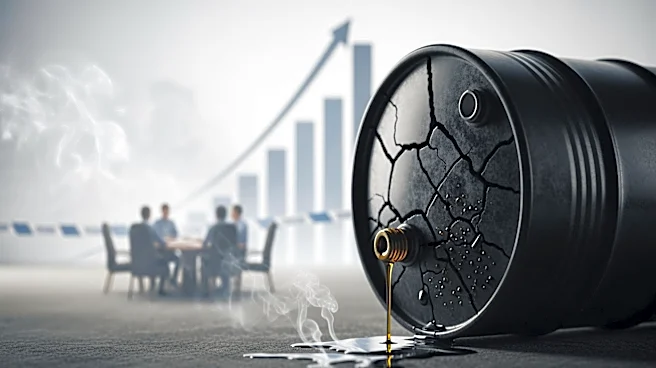
The ongoing conflict in Iran is projected to push over 30 million people back into poverty, according to Alexander De Croo, the head of the United Nations Development Programme (UNDP). The war has disrupted fuel and fertilizer supplies, crucial for agricultural
productivity, and is expected to exacerbate food insecurity. The conflict's economic fallout includes energy shortages and reduced remittances, with global GDP already impacted.
Why It's Important?
The humanitarian and economic consequences of the Iran war highlight the interconnectedness of global supply chains and the vulnerability of developing regions to geopolitical conflicts. The disruption of essential goods like fertilizers can have cascading effects on food security, particularly in regions already facing economic challenges. The situation underscores the need for international cooperation and support to mitigate the impacts on vulnerable populations and stabilize affected economies.
What's Next?
International organizations and governments may need to increase humanitarian aid and support to regions most affected by the conflict. Efforts to negotiate peace and stabilize the region will be crucial to preventing further economic and social deterioration. The situation may also prompt discussions on strengthening global supply chain resilience and addressing the root causes of conflict to prevent similar crises in the future.