
What's Happening?
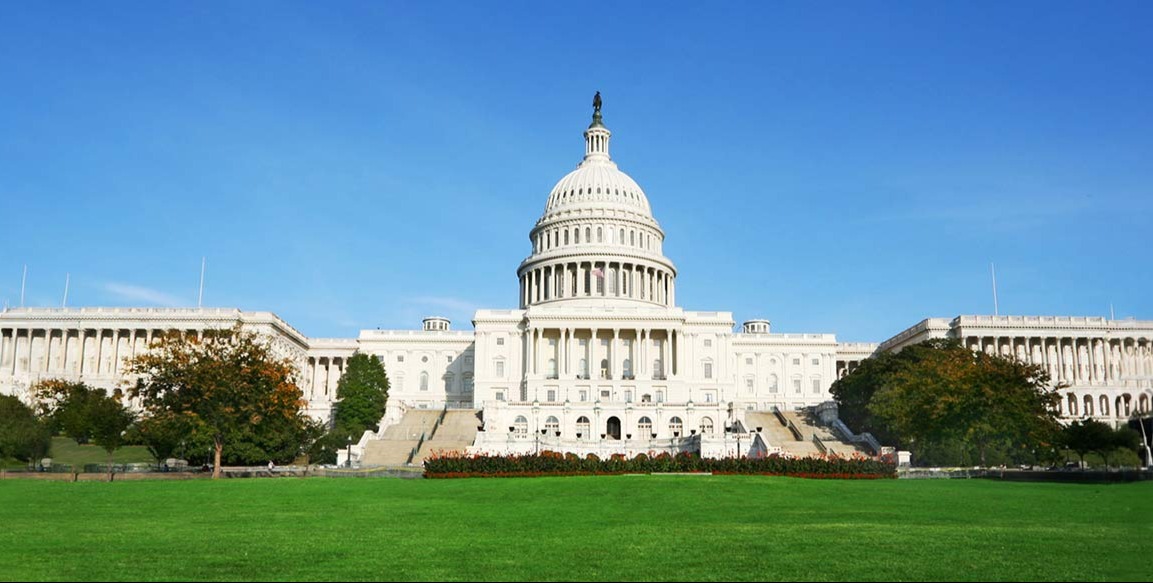
Congress has agreed to allocate approximately $653 million to fund the U.S. Agency for Global Media (USAGM), which oversees Voice of America (VOA), countering President Trump's efforts to defund and shut
down the international broadcaster. This bipartisan decision comes after a challenging year for USAGM, during which Trump signed an executive order to dismantle the agency, leading to the suspension of VOA operations and placing over 1,300 staffers on administrative leave. The funding package, which still requires approval from both the House and Senate, includes allocations for other nonprofit media outlets such as Radio Free Europe/Radio Liberty and Radio Free Asia.
Why It's Important?
The congressional decision to fund USAGM reflects a commitment to maintaining America's role in promoting free information flow globally, a key aspect of its soft power. This move counters the Trump administration's attempts to reduce the agency's influence, highlighting the ongoing political struggle over the direction of U.S. international broadcasting. The funding ensures that VOA and other media outlets can continue their operations, which are crucial for providing unbiased news in regions with limited press freedom. The decision also underscores the importance of bipartisan support in preserving institutions that contribute to global democracy and information dissemination.
What's Next?
The funding package awaits approval from both the House and Senate before it can be enacted. If passed, it will allow VOA and other media outlets to resume full operations and potentially expand their reach. The decision may also prompt further legal and political challenges from the Trump administration, which has criticized the agency's operations. Additionally, the restored funding could lead to increased scrutiny of USAGM's management and effectiveness in fulfilling its mission. The outcome of this funding decision will likely influence future debates on the role of U.S. international broadcasting and its impact on global media landscapes.
Beyond the Headlines
The restoration of funding to USAGM highlights broader issues of media independence and government influence in public broadcasting. The political dynamics surrounding this decision reflect ongoing tensions between different branches of government and their visions for U.S. foreign policy. The situation also raises questions about the sustainability of funding models for international media outlets and the challenges they face in maintaining editorial independence while fulfilling their public service mandates. The outcome of this funding decision could have long-term implications for the credibility and effectiveness of U.S. international broadcasting efforts.