
What's Happening?
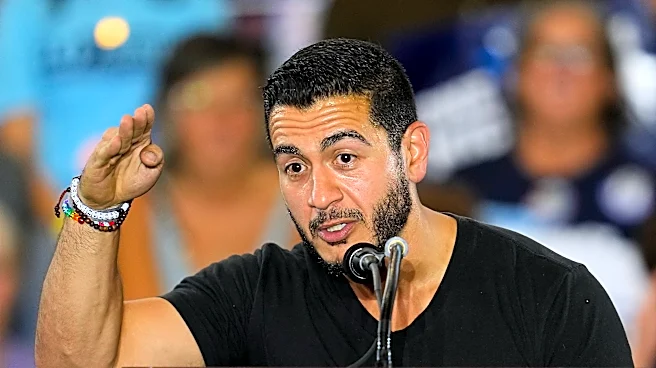
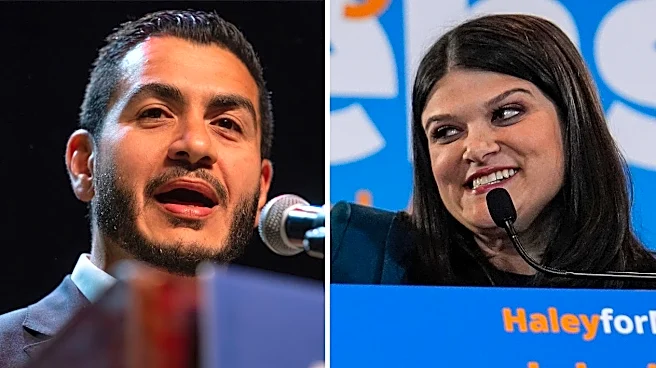
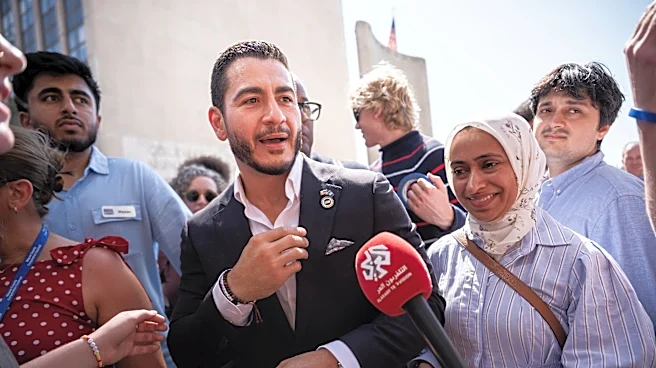
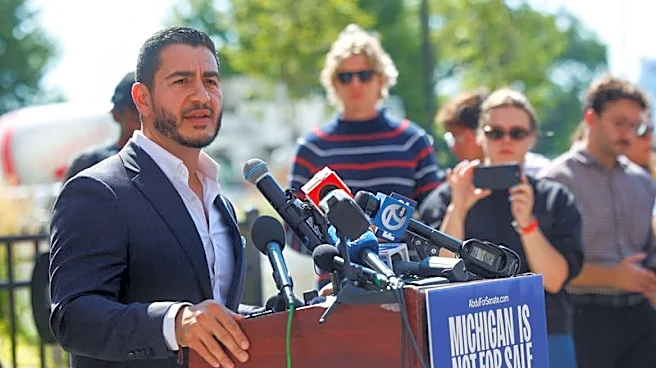
Senate Minority Leader Chuck Schumer has given a lukewarm endorsement to Dr. Abdul El-Sayed, the Democratic nominee for the Michigan Senate seat, following El-Sayed's narrow primary victory over Rep. Haley Stevens. Despite El-Sayed's previous calls for Schumer to be
replaced as the Democratic leader, Schumer has expressed support for El-Sayed's candidacy, emphasizing the importance of a 'big tent' approach within the party. This endorsement comes as the Democratic Party seeks to unify and focus on winning the Senate majority in the upcoming midterms. El-Sayed's campaign has been marked by progressive policies, including Medicare-for-All and the abolition of ICE, which have sparked debate within the party.
Why It's Important?
Schumer's endorsement, albeit tepid, highlights the challenges the Democratic Party faces in balancing its progressive and moderate factions. El-Sayed's candidacy represents a shift towards more progressive policies, which could energize younger and more liberal voters. However, it also poses a risk of alienating moderate Democrats and independents. Schumer's support is crucial for El-Sayed as it signals party unity and could help consolidate resources and voter support. The outcome of this race is significant for the Democratic Party's strategy to regain control of the Senate, as Michigan is a key battleground state.
What's Next?
The focus will now be on how effectively El-Sayed can unify the Democratic base and appeal to a broader electorate in Michigan. The party will need to navigate internal divisions while presenting a cohesive message to voters. Schumer's role in supporting El-Sayed, despite their differences, will be critical in demonstrating party unity. The upcoming general election will test the Democratic Party's ability to balance progressive and moderate agendas, which could have implications for future elections and the party's overall direction.