

What's Happening?
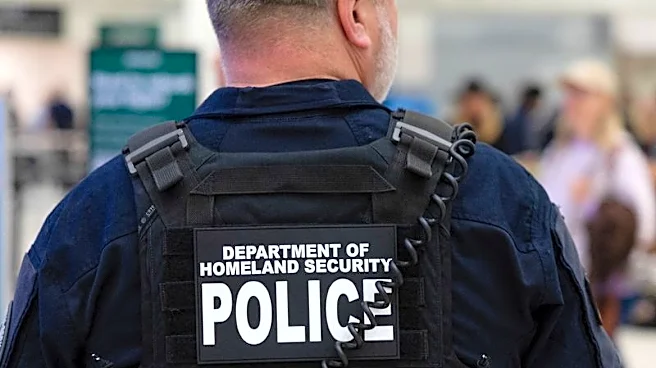
The U.S. House of Representatives has not acted on a Senate-passed compromise to end the partial shutdown of the Department of Homeland Security (DHS). The shutdown, ongoing since mid-February, stems from disagreements over immigration enforcement funding.
The Senate's measure funds most of DHS but excludes Immigration and Customs Enforcement (ICE) and Customs and Border Protection (CBP). House Republicans initially rejected this, proposing a 60-day funding extension for all of DHS, which Senate Democrats opposed. Recently, Republican leaders in both chambers agreed to advance the Senate's version, but the House has yet to act, prolonging the shutdown.
Why It's Important?
The prolonged shutdown of DHS affects national security and federal workers, with significant implications for immigration enforcement and public safety. The deadlock highlights deep divisions within the Republican Party and between Congress and the White House over immigration policy. The shutdown has already caused disruptions, such as extended security lines at airports, and could impact upcoming elections as Republicans face pressure to resolve the issue. The situation underscores the challenges of governing with a divided Congress and the complexities of balancing immigration enforcement with other national priorities.
What's Next?
The House is expected to reconvene and address the Senate's funding measure, but internal disagreements among Republicans could delay progress. If the Senate's version is passed, it would temporarily resolve the shutdown but leave ICE and CBP funding unresolved. The upcoming budget reconciliation process may address these agencies' funding, potentially leading to further political battles. The outcome will likely influence the political landscape ahead of the November midterm elections, where immigration policy remains a contentious issue.