



What's Happening?
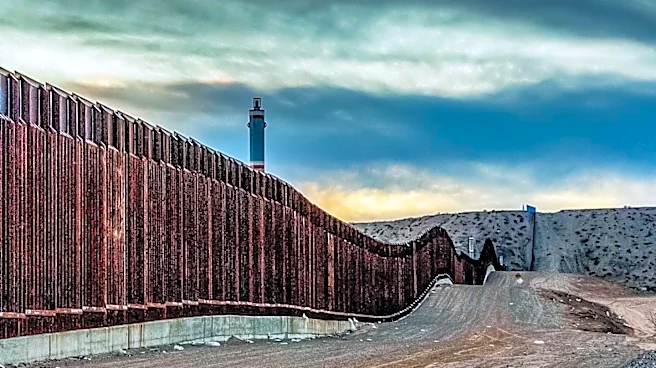
The Tohono O'odham Nation in Arizona has issued a warning to federal contractors attempting to build a border wall on their land, stating that they may face arrest if they proceed without permission. The tribe has posted 'No Trespassing' signs and instructed
their police force to intercept any federal workers who enter the reservation illegally. This action comes as part of the tribe's ongoing legal battle against the Department of Homeland Security, arguing that a physical wall is unnecessary due to successful joint operations with U.S. Customs and Border Protection that have significantly reduced illegal crossings. The tribe's leaders emphasize that the restrictions are aimed at protecting their land and sacred sites from being disrupted by construction activities.
Why It's Important?
This development highlights the ongoing tensions between federal authorities and Native American tribes over land rights and border security. The Tohono O'odham Nation's stance underscores the broader debate about the effectiveness and ethical implications of constructing physical barriers along the U.S.-Mexico border. The tribe's actions could set a precedent for other indigenous groups facing similar challenges, potentially influencing future policy decisions regarding border security and tribal sovereignty. The outcome of this conflict may impact federal construction projects and the relationship between the U.S. government and Native American tribes.
What's Next?
The situation is expected to escalate as both the tribe and federal authorities await a ruling from U.S. District Judge Richard Leon on whether to halt the border wall construction permanently. The tribe's legal challenge could lead to further court battles, and the federal government's response will be closely watched by other tribes and stakeholders involved in border security. The Tohono O'odham Nation's actions may inspire other indigenous groups to assert their rights more aggressively, potentially leading to broader discussions about tribal sovereignty and federal land use policies.