
What's Happening?
Hezbollah has issued a directive to its members to confront the Lebanese army if it attempts to interfere with the group's activities. This development comes as the Lebanese government has taken steps against Iranian influence in the country, including
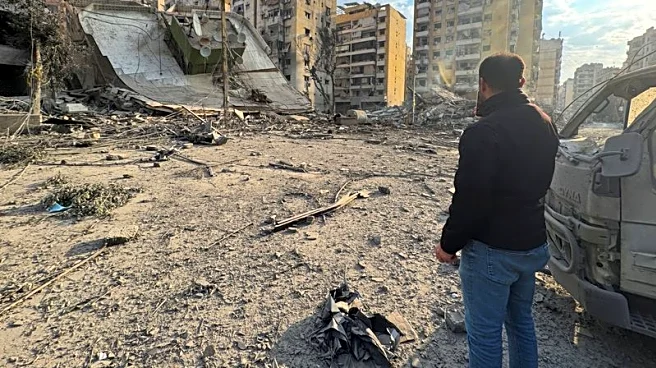
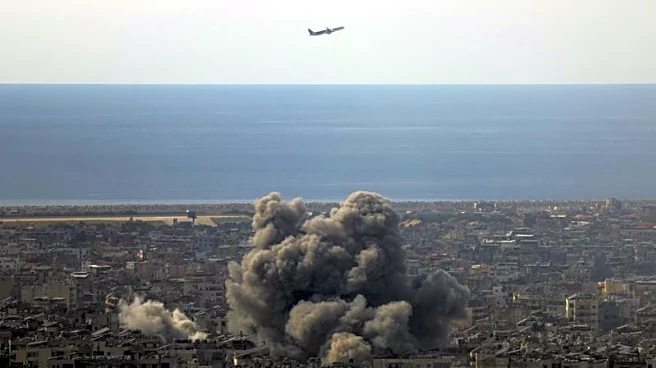
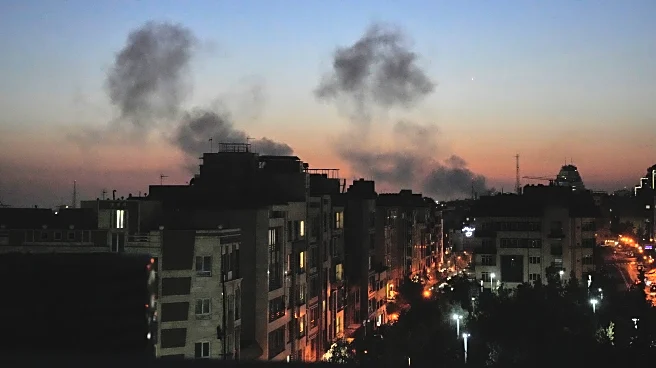
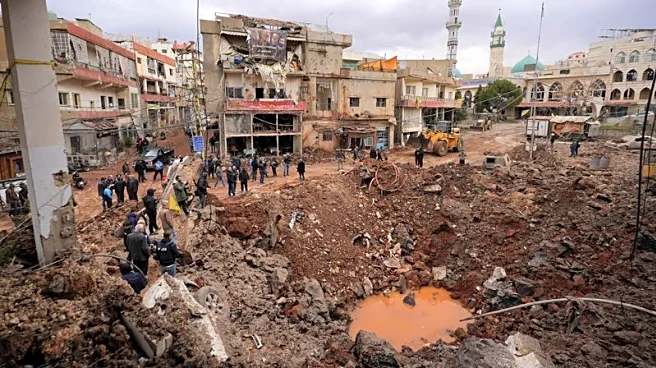
requiring visas for Iranian citizens, designating the Islamic Revolutionary Guard Corps (IRGC) as illegal, and expelling senior Iranian officials. These actions follow Israel's demands for Lebanon to act against regime members operating on its soil. Recently, Israel conducted a strike in Beirut, killing five senior commanders of the IRGC's Quds Force, which the Israeli Defense Forces (IDF) described as a significant blow to the Iranian presence in Lebanon and Hezbollah. Despite these measures, there are no indications of substantial actions by the Lebanese government against Hezbollah itself.
Why It's Important?
The situation highlights the complex geopolitical dynamics in the region, with Lebanon caught between internal pressures and external demands. The Lebanese government's actions against Iranian influence could strain its relations with Iran and Hezbollah, potentially destabilizing the country further. Israel's military actions underscore its ongoing security concerns regarding Hezbollah and Iranian activities in Lebanon. The potential for confrontation between Hezbollah and the Lebanese army could lead to increased instability, affecting regional security and potentially drawing in international actors. The involvement of the United Nations, with Special Coordinator Joanna Wronecka visiting Israel, indicates the international community's concern over escalating tensions.
What's Next?
The situation remains volatile, with potential for further military actions by Israel and responses from Hezbollah. The Lebanese government's next steps in handling both internal and external pressures will be crucial. International diplomatic efforts, such as those by the United Nations, may seek to mediate and prevent further escalation. The response of regional powers, including Iran, will also be significant in shaping the future dynamics in Lebanon and the broader Middle East.