


What's Happening?
The Senegalese government has imposed a ban on non-essential foreign travel for its ministers in response to the rising oil prices caused by the conflict in Iran. Prime Minister Ousmane Sonko announced the measure at a youth rally, highlighting the financial
strain on the country's budget due to the increased cost of oil. Senegal, which relies heavily on fuel imports despite its developing oil and gas industry, is facing economic challenges exacerbated by high public debt. The government is taking steps to curb spending, with further measures expected to be announced by the mines minister. This move is part of a broader trend across Africa, where countries are implementing various strategies to cope with the oil price surge.
Why It's Important?
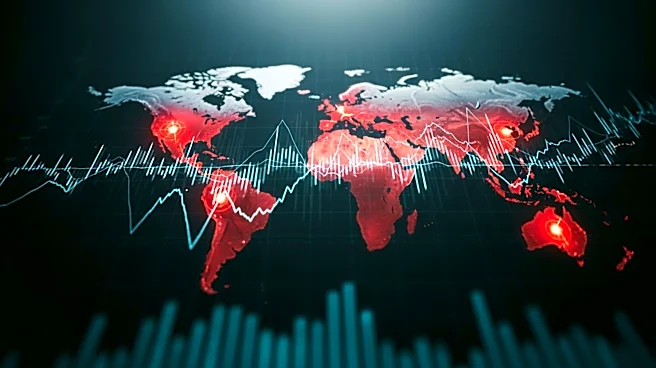
The decision to restrict ministerial travel reflects the broader economic pressures faced by Senegal and other African nations due to global oil price fluctuations. The conflict in Iran and the closure of the Strait of Hormuz have disrupted oil supplies, impacting economies worldwide. For Senegal, managing the economic fallout is crucial to maintaining stability and growth. The situation underscores the vulnerability of countries dependent on oil imports and highlights the need for diversified energy sources and economic resilience. The government's actions aim to mitigate the financial impact and ensure continued economic development.
What's Next?
Senegal's government is expected to announce additional measures to address the economic challenges posed by rising oil prices. These may include further spending cuts or initiatives to boost domestic energy production. The international community will be watching closely, as similar economic pressures are felt globally. The situation may prompt discussions on energy security and the importance of sustainable energy solutions. In the short term, Senegal will need to balance fiscal responsibility with the need to support its citizens and maintain economic growth.