




What's Happening?
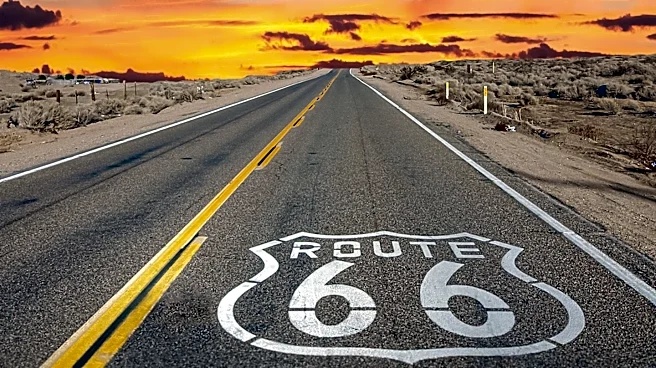
Route 66, known as the Mother Road, is celebrating its 100th anniversary since its establishment on November 11, 1926. This centennial marks a significant revival for the historic corridor, which spans 2,448 miles. Over the past century, millions of travelers,
including Dust Bowl refugees, military troops, classic car enthusiasts, and families on road trips, have traversed this iconic route. The National Parks at Night team, which has explored Route 66 for 30 years, recently hosted its first workshop along the byway in 2024, confirming its vibrant status. Significant funding has contributed to this revival, leading to the installation of new historic markers, restoration of vintage gas stations, and the emergence of fresh roadside attractions. A new generation of enthusiasts is actively working to preserve and celebrate the local heritage along the route. The National Park Service also plays a role in protecting the corridor through preservation programs, overseeing over 250 buildings, bridges, and road alignments listed on the National Register of Historic Places. While Petrified Forest is the only official national park directly on Route 66, numerous other national parks, monuments, and historic sites are located nearby.
Why It's Important?
The centennial celebration and ongoing revival of Route 66 hold significant cultural and economic importance for the United States. Culturally, it reinforces the legacy of a road that has been central to American identity, symbolizing freedom, migration, and the spirit of adventure. The preservation efforts, including the restoration of historic sites and the creation of new attractions, help maintain a tangible connection to this past for future generations. Economically, the revival can boost tourism in the many small towns and communities along the route, which often rely on traveler spending. The increased interest, fueled by events like night photography workshops, can lead to greater visitation, supporting local businesses such as motels, diners, and souvenir shops. The involvement of the National Park Service underscores the route's historical significance and ensures that its heritage is protected, potentially attracting more visitors interested in both history and natural beauty. This resurgence also highlights the value of preserving historical infrastructure and the stories embedded within it.
What's Next?
The ongoing centennial celebrations for Route 66 are expected to continue, likely drawing increased attention and tourism to the historic highway. Further preservation efforts and the development of new attractions are anticipated as communities along the route capitalize on the renewed interest. Organizations like National Parks at Night may continue to offer specialized tours and workshops, such as night photography expeditions, which cater to niche tourism markets and highlight unique aspects of the route. Local communities and historical societies are likely to intensify their efforts in documenting and restoring historical sites, potentially leading to more listings on the National Register of Historic Places. The increased visibility could also spur further public and private investment in infrastructure improvements and promotional campaigns to attract both domestic and international tourists. The focus on heritage and preservation suggests a sustained effort to maintain the route's historical integrity while adapting to modern tourism demands.
Beyond the Headlines
Beyond the immediate economic and cultural benefits, the revival of Route 66 touches upon deeper themes of American nostalgia and the evolving relationship between historical preservation and modern development. The road represents a bygone era of American travel and freedom, and its resurgence reflects a collective desire to reconnect with that past in an increasingly digital and fast-paced world. The emphasis on night photography, for instance, offers a unique perspective on familiar landscapes, encouraging a slower, more contemplative engagement with the environment and history. This movement also highlights the power of grassroots efforts and local communities in preserving national heritage, often against economic pressures that favor new construction over historical maintenance. The ongoing story of Route 66 serves as a case study in how historical infrastructure can be revitalized not just as a relic, but as a living, evolving cultural asset that continues to inspire and attract people from diverse backgrounds.