








What's Happening?
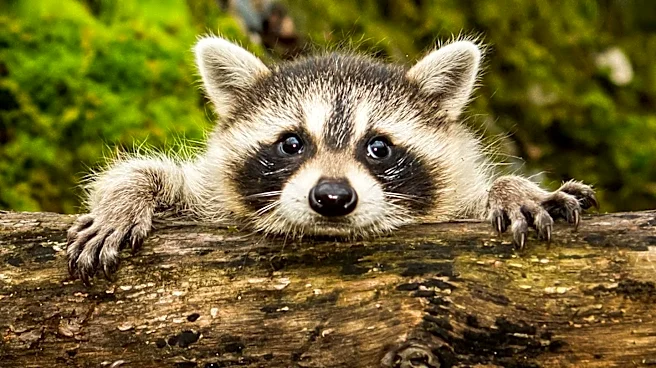
Idaho Fish and Game has issued a warning to residents in the Pocatello and Chubbuck areas following a significant increase in reports of raccoons displaying unusual behavior. Over the past three weeks, wildlife officials have been receiving nearly daily
calls about raccoons that appear sick, lethargic, or unusually fearless around humans. Some of these animals have been observed wandering during daylight, sitting motionless, or appearing blind with their eyes seemingly 'glued shut.' Testing has confirmed that at least one raccoon was infected with canine distemper, a highly contagious virus affecting raccoons, skunks, and members of the dog family. Additional raccoon carcasses are currently awaiting test results. According to Dr. Nicole Walrath, a wildlife veterinarian with Idaho Fish and Game, while canine distemper is not transmissible to humans, it is almost always fatal for infected wildlife.
Why It's Important?
The confirmation of canine distemper in local raccoons is significant as it highlights a potential health risk to domestic pets, particularly dogs, which can also contract the virus. The outbreak underscores the importance of pet owners ensuring their animals are up to date on vaccinations to prevent the spread of the disease. Additionally, the surge in sick raccoons could indicate broader environmental or ecological issues affecting wildlife health in the region. The situation also raises concerns about the potential for increased human-wildlife interactions, as sick animals may venture closer to residential areas, posing risks to both wildlife and domestic animals.
What's Next?
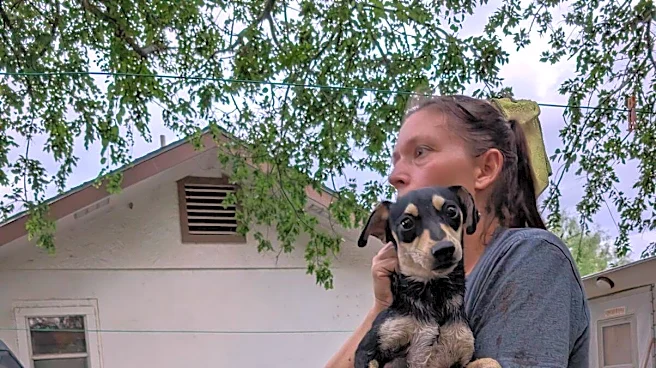
Idaho Fish and Game is advising pet owners to keep their dogs away from raccoons and raccoon carcasses and to ensure their pets are vaccinated against distemper. Residents are also encouraged to remove food sources that attract raccoons, such as unsecured garbage and pet food left outdoors. The agency will continue to monitor the situation and evaluate reports of sick animals on a case-by-case basis. Officials expect the current increase in cases to subside as the summer progresses and do not anticipate a significant long-term impact on local raccoon populations.