
What's Happening?
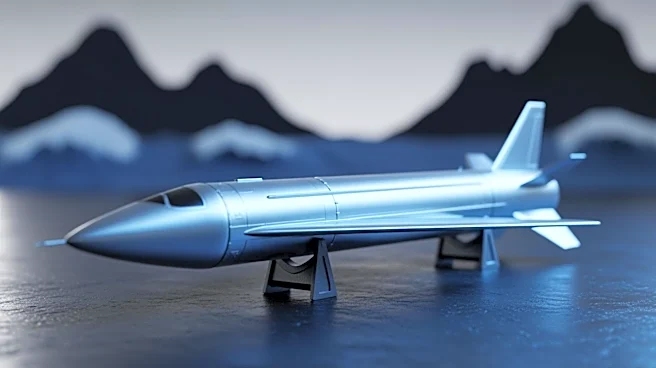
Vietnam is set to become the second foreign buyer of India's BrahMos cruise missile, a development that highlights ongoing security concerns in Asia regarding China's military expansion. The deal, confirmed
by Indian Defense Secretary Rajesh Kumar Singh at the Shangri-La Dialogue security summit, underscores Vietnam's strategic move to bolster its defense capabilities amid apprehensions about China's growing military power. Despite improved economic relations with China, Vietnam remains cautious of Beijing's military ambitions, particularly in the South China Sea. The BrahMos missile, co-developed by India and Russia, is known for its speed and accuracy, making it a formidable addition to Vietnam's defense arsenal. This acquisition aligns with India's 'Act East' policy, aimed at strengthening ties with Southeast Asian nations.
Why It's Important?
The acquisition of the BrahMos missile by Vietnam is significant as it reflects the broader geopolitical dynamics in Asia, where countries are increasingly wary of China's military assertiveness. For Vietnam, this move is a strategic effort to balance its economic ties with China against the need for enhanced security measures. The deal also represents a win for India's regional ambitions, as it seeks to expand its influence and counterbalance China's dominance in the Indo-Pacific region. This development could potentially alter the security landscape in Southeast Asia, prompting other nations to reassess their defense strategies and alliances.
What's Next?
Following the acquisition, Vietnam is expected to integrate the BrahMos missile into its defense systems, potentially enhancing its ability to deter Chinese naval activities in disputed waters. This move may lead to increased military cooperation between Vietnam and other countries wary of China's influence, such as the United States, Japan, and Australia. Additionally, India's success in exporting the BrahMos missile could encourage further defense collaborations with Southeast Asian nations, reinforcing its strategic presence in the region. Observers will be watching for China's response to this development, as it could influence future diplomatic and military interactions in the region.
Beyond the Headlines
The BrahMos missile deal highlights the complex interplay between economic and security considerations in Asia. While Vietnam and China have strengthened economic ties, the underlying security tensions remain unresolved. This situation underscores the challenges faced by countries in balancing economic cooperation with national security imperatives. The deal also reflects a broader trend of countries in the region seeking to diversify their defense partnerships to ensure strategic autonomy and resilience against potential threats.