






What's Happening?
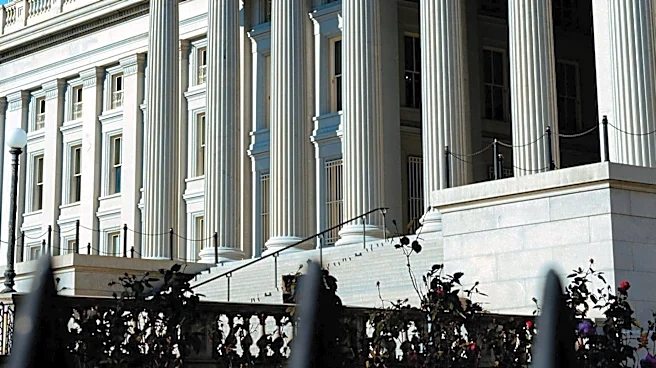
The U.S. Department of the Treasury has imposed sanctions on Banque Misr, Egypt's second-largest bank, specifically targeting its UAE branches. The Financial Crimes Enforcement Network (FinCEN) proposed a rule to revoke Banque Misr UAE's correspondent
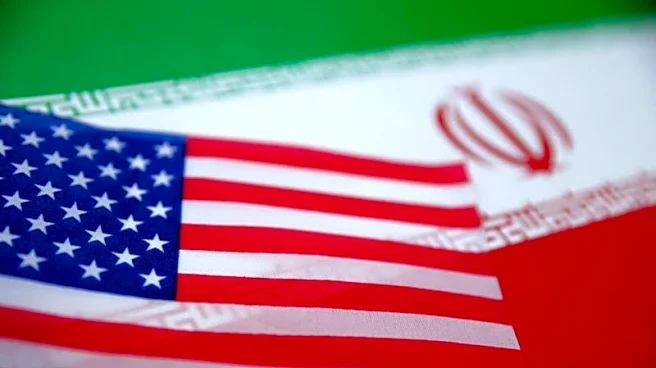
banking access to U.S. financial institutions, effectively preventing its UAE branches from conducting transactions in U.S. dollars and accessing the U.S. financial market. According to the Treasury, Banque Misr UAE processed approximately $1.8 billion for 103 companies potentially linked to Iranian shadow banking networks between January 2024 and June 2026. The Treasury alleges that these transactions facilitated access to U.S. dollars for Iran's Ministry of Defense, the Islamic Revolutionary Guard Corps, and money laundering operations for Iranian Supreme Leader Mojtaba Khamenei. This action is part of a broader U.S. effort, dubbed 'Operation Economic Outcast,' to economically pressure and isolate Tehran. Banque Misr stated it is reviewing the notice, and the Central Bank of Egypt clarified that the measure is limited to Banque Misr UAE's USD transactions and does not affect other Egyptian banks or Banque Misr's operations in Egypt.
Why It's Important?
This action by the U.S. Treasury is significant as it demonstrates a continued aggressive stance by the U.S. government to enforce sanctions against Iran and disrupt its access to the global financial system. By targeting a major foreign bank like Banque Misr, the U.S. is sending a strong message to international financial institutions about the risks of engaging in transactions that could indirectly benefit sanctioned Iranian entities. For U.S. industries, this reinforces the need for stringent compliance measures when dealing with international partners, particularly those in regions with potential ties to sanctioned countries. The move could also impact global trade dynamics, as other foreign banks may become more cautious in their dealings to avoid similar penalties, potentially leading to increased scrutiny and reduced financial flows in certain sectors. The broader 'Operation Economic Outcast' aims to cut off Iran's economic lifelines, which could have implications for energy markets and the global economy, as Iran is a significant oil producer. The sanctions also highlight the U.S.'s use of financial leverage as a primary tool in its foreign policy, especially when military options are not pursued.
What's Next?
The proposed rule by FinCEN is expected to take effect in 30 days, following a public comment period. During this time, Banque Misr will likely continue its review of the U.S. Treasury's notice and engage in discussions with U.S. authorities, as indicated by the Central Bank of Egypt. The UAE's banking authorities have also launched a 'special and urgent examination' into Banque Misr's operations in the country, including a forensic review of the period cited by the U.S. Treasury. This investigation will determine if the UAE's financial system was exposed to reputational risks and if local laws and regulations were respected. Further U.S. sanctions against other entities or individuals found to be facilitating transactions for Iran are possible, as the U.S. has already targeted nearly 60 entities across the Middle East, Asia, and Europe as part of 'Operation Economic Outcast.' Iran has rejected the latest U.S. sanctions, with its Economy Minister stating they will fail, suggesting continued resistance and potential efforts to circumvent these measures.
Beyond the Headlines
The U.S. Treasury's action against Banque Misr underscores the complex and often contentious nature of international financial regulations and geopolitical strategies. Beyond the immediate economic impact, this move highlights the extraterritorial reach of U.S. sanctions and the significant influence of the U.S. dollar in global finance. The incident could prompt a re-evaluation of risk management and compliance frameworks by financial institutions worldwide, particularly those operating in regions with intricate political and economic relationships. It also raises questions about financial sovereignty and the extent to which national banks can be held accountable by foreign governments for their international dealings. The ongoing U.S. pressure campaign against Iran, which includes both military and economic dimensions, reflects a broader shift in international relations where financial warfare is increasingly a primary tool. This approach can lead to unintended consequences, such as humanitarian concerns if sanctions severely impact civilian populations, and could further strain diplomatic relations with countries whose entities are targeted.