






What's Happening?
Free speech advocates, including PEN America and Reporters Without Borders, have criticized the Federal Communications Commission (FCC) for its decision to conduct an early review of ABC's broadcast licenses. The review, which was announced by the FCC,
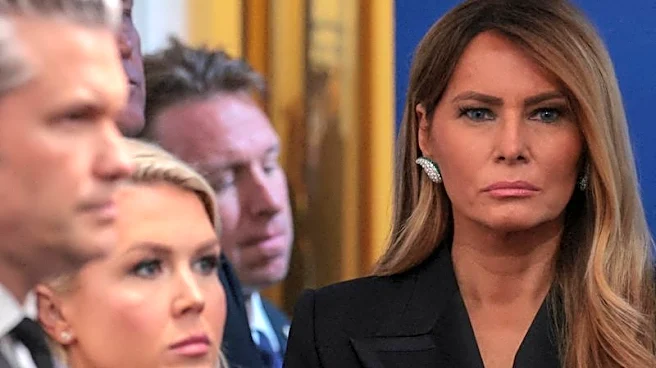
is seen by critics as a politically motivated move following a controversial joke made by ABC's late-night host Jimmy Kimmel about First Lady Melania Trump. The FCC claims the review is part of a broader investigation into Disney's diversity, equity, and inclusion practices. However, critics argue that the timing suggests it is a retaliatory action against ABC for the joke. The review has sparked concerns about government overreach and potential violations of the First Amendment.
Why It's Important?
The FCC's decision to review ABC's licenses has significant implications for media freedom and the protection of First Amendment rights in the United States. Critics argue that this move could set a dangerous precedent for government interference in media operations, potentially leading to a chilling effect on free speech. The situation highlights the ongoing tension between the government and media organizations, particularly in the context of political criticism. If the FCC's actions are perceived as retaliatory, it could undermine public trust in the agency's impartiality and its role as a regulator. The outcome of this review could have lasting impacts on how media companies operate and their ability to critique government actions without fear of retribution.
What's Next?
ABC and Disney have not yet publicly responded to the FCC's review, but they are expected to defend their First Amendment rights through legal channels. The stations involved have 30 days to comply with the FCC's order. The review process and its outcomes will be closely watched by media organizations, legal experts, and free speech advocates. The situation may prompt further discussions about the role of the FCC and the boundaries of government intervention in media operations. Additionally, the response from political leaders and civil society groups could influence future regulatory actions and policies related to media freedom.