




What's Happening?
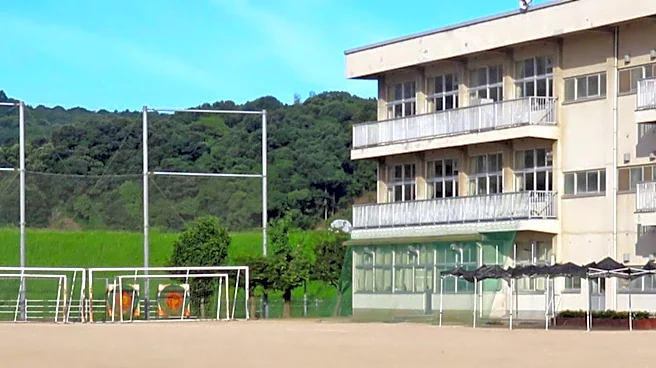
U.S. Representative Summer Lee of Pittsburgh announced the successful transformation of Greenfield Elementary's schoolyard, supported by $400,000 in federal community project funding. The project, led by the Trust for Public Land’s Community Schoolyards
program, converted the paved and underused area into a greener, more inviting space with new play equipment and enhanced connection to nature. This initiative aims to provide a safe recreational area for students and serve over 2,500 neighbors within a ten-minute walk, fostering community gathering and interaction with the natural environment. Representative Lee emphasized that this project exemplifies the positive impact of public investment on communities, creating vital green spaces and promoting climate resilience.
Why It's Important?
This project is important as it highlights the direct impact of federal funding on local community development and environmental initiatives within the U.S. The transformation of schoolyards into green spaces addresses multiple societal needs, including providing safe and accessible recreational areas for children, fostering community engagement, and enhancing urban green infrastructure. Such initiatives contribute to public health by encouraging outdoor activity and offer educational benefits by connecting children with nature. Furthermore, these projects can improve climate resilience in urban areas by increasing green cover, which helps manage stormwater and reduce urban heat island effects. The success of this project could serve as a model for similar transformations in other U.S. cities, demonstrating how strategic public investment can yield significant social and environmental returns.
What's Next?
Following the successful completion of the Greenfield Elementary schoolyard project, the focus will likely shift to monitoring its long-term impact on the community and environment. This could involve assessing increased usage by students and residents, evaluating ecological benefits such as improved biodiversity or stormwater management, and gathering feedback from the community. The project's success may also inspire further applications for community project funding in other Pittsburgh schools or neighborhoods, potentially expanding the reach of the Community Schoolyards program. Representative Lee's continued advocacy for similar initiatives, such as the proposed "Revitalizing America’s Schoolyards Act," suggests a broader legislative effort to replicate these benefits nationwide, indicating a potential for increased federal support for green schoolyard projects in the future.
Beyond the Headlines
Beyond the immediate benefits of a new schoolyard, this project touches upon deeper implications regarding urban planning, environmental justice, and the role of public spaces in community well-being. The creation of green spaces in urban environments often addresses disparities in access to nature, particularly in underserved communities. By transforming underutilized schoolyards, these projects can democratize access to green infrastructure, promoting equitable health and educational outcomes. Ethically, it underscores the responsibility of public officials to invest in initiatives that enhance the quality of life for all citizens, particularly children. Culturally, these spaces can become vital 'third places'—neither home nor work—where community bonds are strengthened, and a sense of collective ownership is fostered, contributing to the social fabric of the neighborhood.