



What's Happening?
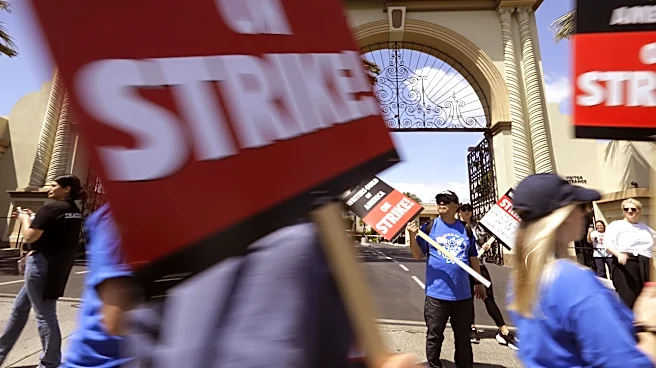
Approximately 800 members of the City of Portland Professional Workers (CPPW) union began an open-ended strike on Monday morning after contract negotiations with the City of Portland failed over the weekend. The union, representing about 10% of Portland's
workforce, has been in negotiations for nearly a year. A bargaining session on Sunday evening, lasting over five hours, did not result in an agreement. Kari Koch, President of CPPW, stated that Mayor Keith Wilson acknowledged the strike would be 'damaging' and have an impact. The primary sticking point in negotiations is a cost-of-living adjustment for city workers. Koch indicated that the city's offers have been insufficient, describing them as a 'brick wall.' CPPW members work across all city bureaus, including the bureau of emergency management, and the strike is expected to disrupt critical city services. The union accuses the city of bargaining in bad faith, while the city maintains its commitment to reaching a fair and sustainable resolution for employees and taxpayers.
Why It's Important?
This strike by the City of Portland Professional Workers union carries significant implications for the city's operations and its residents. With 800 employees across various bureaus, including emergency management, critical public services could face substantial disruptions. The dispute highlights broader labor challenges concerning fair wages and cost-of-living adjustments, issues that resonate with workers nationwide amidst rising inflation and economic pressures. For Portland, the strike could strain public resources, impact daily life, and potentially lead to economic losses if prolonged. It also puts pressure on Mayor Keith Wilson and city leadership to find a resolution that balances union demands with fiscal responsibility. The outcome of these negotiations could set a precedent for other municipal labor disputes, influencing future contract talks and labor relations in the public sector.
What's Next?
As the open-ended strike by the City of Portland Professional Workers union commences, the immediate future involves continued disruption to city services. No additional bargaining sessions have been scheduled, indicating a potential stalemate. The City of Portland has stated it has contingency plans to maintain critical public safety, infrastructure, and other essential services, but the extent of their effectiveness remains to be seen. Pressure will likely mount on both the union and city officials to return to the negotiating table. The duration of the strike will determine the severity of its impact on Portland residents and the city's economy. Public sentiment and media coverage will also play a role in influencing the urgency for a resolution. The situation could escalate if the strike continues, potentially leading to increased public inconvenience and financial strain on both the striking workers and the city.
Beyond the Headlines
The ongoing strike in Portland extends beyond immediate service disruptions, touching upon fundamental issues of labor rights, fair compensation, and municipal governance. The union's demand for a cost-of-living adjustment reflects a national conversation about wage stagnation and the increasing cost of living, particularly in urban centers. This event could highlight the power dynamics between organized labor and city administrations, potentially influencing future labor strategies and collective bargaining agreements across the U.S. It also raises questions about the resilience of public services in the face of labor disputes and the preparedness of cities to manage such crises. The strike may also bring to light the essential, often undervalued, contributions of city workers to the daily functioning of urban life, prompting a reevaluation of their compensation and working conditions.