
What's Happening?
The U.S. Department of Agriculture (USDA) and U.S. Secretary of Agriculture Brooke L. Rollins have announced the launch of the Great American Christmas Market. This two-day holiday celebration is scheduled
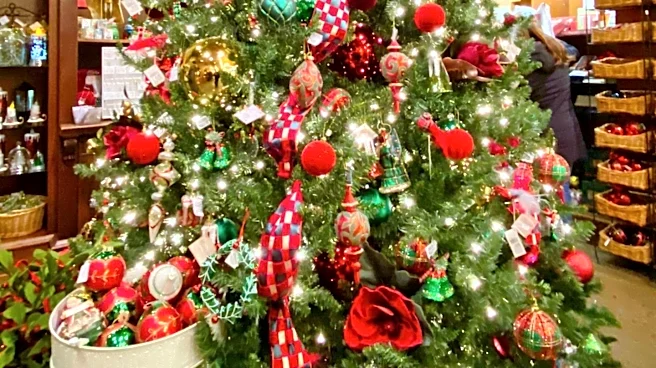
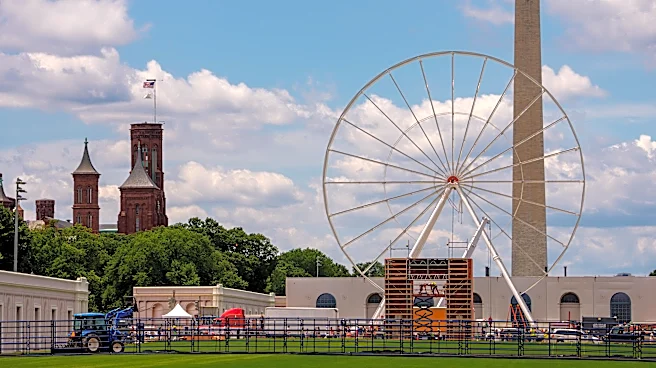
to take place on the National Mall on December 2 and 3, 2026. The event aims to bring together farmers, ranchers, artisans, and producers from across the country to showcase American agriculture and craftsmanship. The market will feature American-grown Christmas trees, wreaths, food, and gifts. This initiative is positioned as the final chapter of the USDA's year-long commemoration of America's 250th anniversary. Farmers and producers, including those from Wisconsin, are being invited to participate and showcase their products at this national event.
Why It's Important?
This event holds significant importance for American agriculture and small businesses. By providing a national platform on the National Mall, the USDA is offering farmers, ranchers, and artisans a unique opportunity to reach a broad audience and directly market their products. This can boost sales for participating vendors and raise consumer awareness about the diversity and quality of American-grown and produced goods. For the agricultural sector, it serves as a promotional event that highlights the contributions of American farmers and producers to the nation's economy and culture. The market also supports local economies by encouraging direct-to-consumer sales and fostering connections between producers and the public. Furthermore, its timing as the culmination of America's 250th-anniversary commemoration underscores the historical and ongoing role of agriculture in the nation's development.
What's Next?
In the coming months, the USDA will likely continue to solicit participation from farmers, ranchers, and artisans across the country, with a particular focus on ensuring representation from various states. Preparations for the logistical aspects of hosting a large-scale market on the National Mall will also be underway, including coordination with federal and local authorities. Marketing and public relations efforts will intensify closer to the event date to attract a large number of visitors. Following the market, the USDA may evaluate the event's success in terms of economic impact for vendors and public engagement, potentially influencing future similar initiatives. The event's success could also set a precedent for how national celebrations incorporate and highlight the agricultural sector.
Beyond the Headlines
Beyond its immediate economic benefits, the Great American Christmas Market carries deeper cultural and symbolic implications. By showcasing American agriculture on the National Mall, the event reinforces the connection between the nation's identity and its agricultural roots. It serves as a tangible reminder of the importance of local food systems and craftsmanship in an increasingly globalized world. The market also provides an opportunity for urban populations to engage directly with rural producers, fostering a greater understanding and appreciation for the origins of their food and goods. This initiative could contribute to a broader movement towards supporting American-made products and sustainable agricultural practices, aligning with national efforts to strengthen domestic supply chains and celebrate national heritage.