



What's Happening?
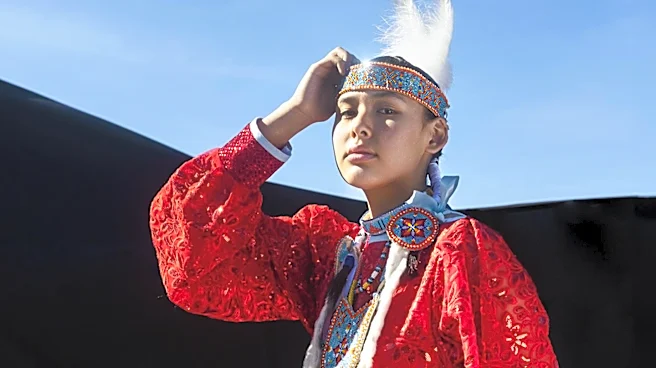
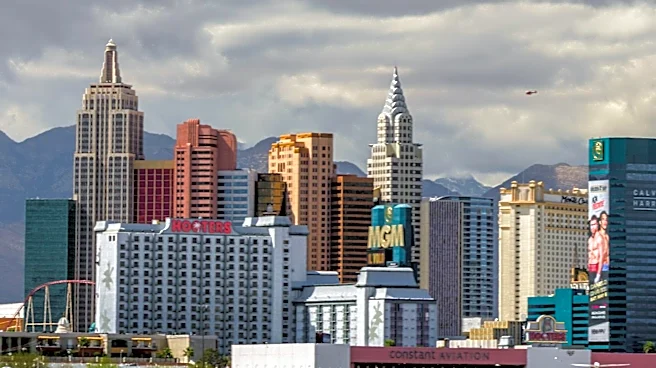
November marks National Native American Heritage Month, with various programs and initiatives across the U.S. highlighting the diverse cultures and histories of hundreds of tribal communities. In Las Vegas, Fawn Douglas, a Las Vegas Paiute Tribe citizen,
and her partner A.B. Wilkinson opened IndigenousAF, a store and gallery showcasing Indigenous artists and hosting free art programs. The gallery aims to dismantle stereotypes about Native Americans and Alaska Natives. Other initiatives include the Wicoie Nandagikendan early childhood program in Minneapolis, which immerses children in Ojibwe and Dakota languages and cultural activities like maple syrup processing and cooking traditional dishes with rabbit or duck. Additionally, a group of Indigenous girls, the NAIWA Daughters, successfully advocated for a resolution granting rights to a river system in the Eastern Band of Cherokee Indians Tribal Council, marking the first all-female-led rights-of-nature effort in the U.S.
Why It's Important?
These initiatives are crucial for preserving and promoting Native American cultures, languages, and traditions, which have historically faced suppression. The IndigenousAF gallery provides a vital platform for contemporary Indigenous artists, challenging stereotypes and fostering community engagement through art. Language immersion programs like Wicoie Nandagikendan are essential for the revitalization of endangered Indigenous languages, ensuring that cultural knowledge is passed down to younger generations. The NAIWA Daughters' success in securing rights for a river demonstrates the growing influence of Indigenous voices in environmental advocacy and policy-making, setting a precedent for future rights-of-nature movements. These efforts collectively contribute to a more accurate and respectful understanding of Native American contributions to U.S. society and highlight ongoing struggles for self-determination and cultural recognition.
What's Next?
The various programs and initiatives are expected to continue throughout November and beyond, fostering greater awareness and appreciation for Native American heritage. The IndigenousAF gallery will likely continue to host art exhibitions and community programs, expanding its reach and impact. Language immersion programs will persist in their efforts to educate and empower Native youth, potentially inspiring similar initiatives in other tribal communities. The success of the NAIWA Daughters could encourage other Indigenous groups to pursue legal and political avenues for environmental protection and the recognition of natural entities' rights. These ongoing efforts will contribute to a broader national dialogue on reconciliation, cultural preservation, and environmental justice, shaping future policies and societal attitudes towards Indigenous peoples.
Beyond the Headlines
The spotlight on Native American culture in November reveals deeper implications regarding cultural sovereignty, environmental stewardship, and the ongoing process of decolonization. The art gallery, language programs, and environmental advocacy efforts are not merely celebratory but are acts of resistance and self-determination. They challenge dominant narratives and reclaim Indigenous identities and knowledge systems. The concept of granting rights to a river, as championed by the NAIWA Daughters, reflects an Indigenous worldview that views nature as a living relative rather than a resource to be exploited, offering a profound alternative to Western legal frameworks. These developments signify a growing recognition of Indigenous wisdom in addressing contemporary global challenges, from climate change to social inequality, and underscore the importance of diverse perspectives in shaping a more equitable future.