



What's Happening?
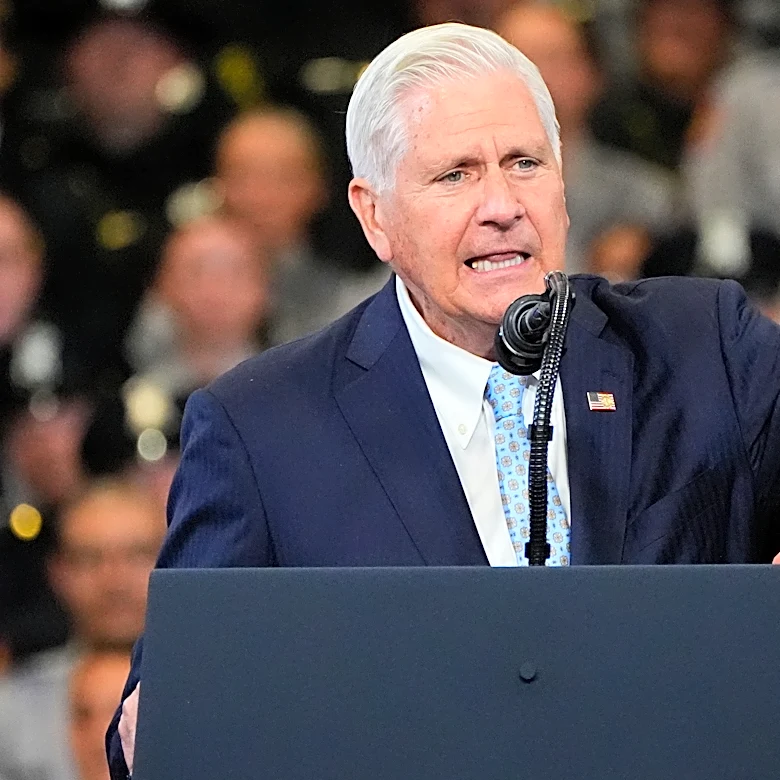
The United States Department of Homeland Security (DHS), under the direction of Secretary Markwayne Mullin, has released the 2026 Election Infrastructure Security Plan, titled 'Securing the Next 250.' This plan, developed by the Cybersecurity and Infrastructure Security Agency
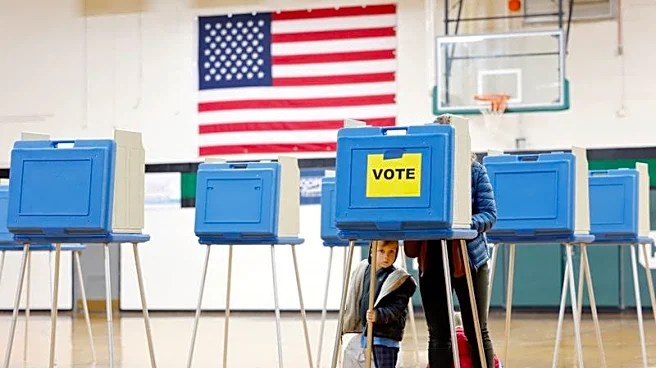
(CISA), outlines voluntary and no-cost services available to election officials to enhance the security and resilience of election infrastructure. These services include threat information sharing, technical expertise, vulnerability scanning, and other risk-mitigation support. Secretary Mullin emphasized that election security is a matter of national security and stated that CISA has refocused on its core mission to protect critical infrastructure under President Trump's leadership. The plan aims to ensure the security, freeness, and fairness of U.S. elections, extending the concept of national safety beyond borders and streets to include the integrity of the electoral process. The security of election infrastructure has been recognized as a critical infrastructure subsector since 2017, leading to CISA's expanded support for election officials through cybersecurity and physical security services.
Why It's Important?
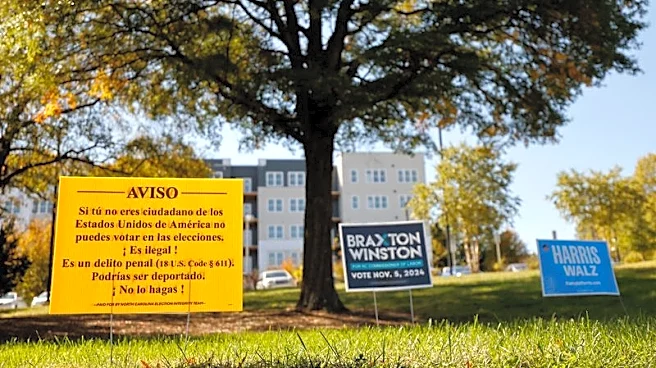
The release of the 2026 Election Infrastructure Security Plan is crucial for maintaining public confidence in the U.S. democratic process. By providing no-cost resources and expertise, DHS and CISA aim to strengthen the defenses against potential threats to election systems, which can range from cyberattacks to physical disruptions. This initiative directly impacts the integrity of future elections, ensuring that the results accurately reflect the will of the voters. For political stakeholders, a secure election infrastructure is fundamental to legitimate governance and can mitigate disputes over election outcomes. The plan's emphasis on voluntary services and collaboration with state and local partners highlights a shared responsibility in safeguarding democracy. A robust and secure election system is vital for the stability of U.S. politics and society, as it underpins the legitimacy of elected officials and the peaceful transfer of power. Conversely, any perceived vulnerabilities or failures in election security could erode public trust, potentially leading to widespread skepticism and political instability.
What's Next?
The 2026 Election Infrastructure Security Plan will be implemented in full, with CISA continuing to offer its outlined services to election officials nationwide. This includes ongoing information sharing, risk assessments, training, vulnerability scanning, and exercises to help partners strengthen resilience. The focus will be on continuous security efforts and coordination among state, local, and federal entities. The effectiveness of the plan will likely be evaluated through its adoption rates by election officials and its impact on mitigating identified threats. Future discussions may involve assessing the adequacy of current resources and potentially expanding the scope of services offered. The ongoing commitment from DHS and CISA to support state and local election officials will be critical in adapting to evolving threats and ensuring the long-term integrity of American elections.
Beyond the Headlines
The plan's emphasis on 'Securing the Next 250' years of American elections underscores a long-term vision for democratic resilience, moving beyond immediate electoral cycles. This initiative implicitly acknowledges the persistent and evolving nature of threats to democratic processes, from foreign interference to domestic challenges. The framing of election security as 'national security' elevates its importance to the highest levels of government, suggesting a comprehensive approach that integrates cybersecurity with broader national defense strategies. This perspective could lead to increased funding and technological advancements in election protection, potentially setting new standards for democratic nations globally. Furthermore, the plan's reliance on voluntary participation from state and local officials highlights the delicate balance between federal oversight and local autonomy in U.S. governance, a dynamic that will continue to shape the implementation and effectiveness of such national security initiatives.