




What's Happening?
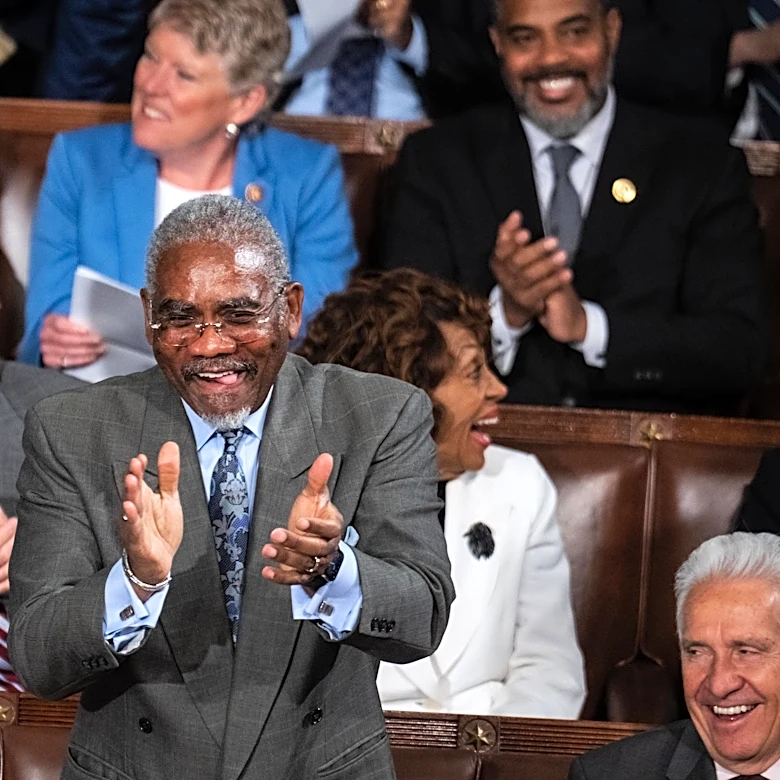
Following a nationwide ground stop by the Federal Aviation Administration (FAA) on November 13, 2026, Representative Greg Stanton, a Democrat on the House Transportation and Infrastructure Committee, has called for accountability and a clear plan for modernizing
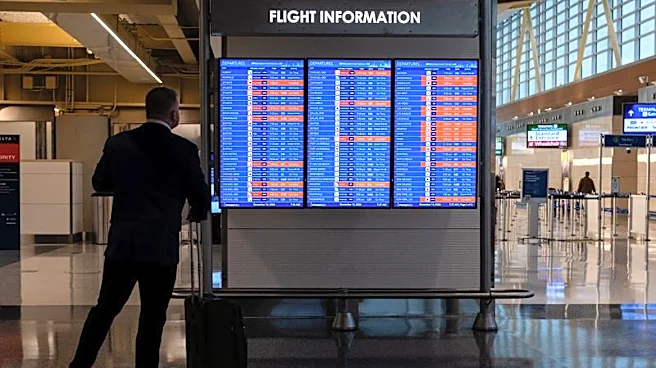
the FAA's systems. The ground stop, which lasted over four hours and disrupted more than 10,000 flights, was attributed to issues with aging air traffic control communications equipment. Transportation Secretary Sean Duffy initially cited overloaded routers and later suggested that copper-to-fiber upgrade work, possibly involving contractor error, might have been the trigger. FAA Administrator Bryan Bedford stated there was no evidence of a cyberattack, attributing the outage to faulty equipment. The incident has intensified the debate over funding for FAA infrastructure, with the administration seeking an additional $30 billion for air traffic control updates.
Why It's Important?
This incident highlights critical vulnerabilities in the U.S. air transportation infrastructure, which is vital for both national commerce and personal travel. The disruption of thousands of flights has significant economic repercussions, leading to substantial losses for airlines, businesses, and individuals. Representative Stanton's call for accountability underscores the public and political pressure on federal agencies to ensure the reliability and safety of essential services. The ongoing debate over funding for FAA modernization reflects a broader challenge in maintaining and upgrading critical national infrastructure. Failure to address these issues could lead to more frequent and severe disruptions, eroding public confidence in air travel and potentially hindering economic activity across various sectors dependent on efficient logistics and mobility.
What's Next?
The immediate next steps involve ongoing investigations into the precise cause of the FAA ground stop, with potential for formal findings that could name contractors or specific equipment failures. Congressional hearings are anticipated, where Transportation Secretary Sean Duffy and FAA Administrator Bryan Bedford may be called to testify, as requested by Representative Stanton. The funding debate for FAA modernization is expected to intensify, particularly as Congress transitions control after the 2026 midterms. Lawmakers will consider the administration's request for $30 billion, or potentially a larger $50 billion overhaul figure, during the lame-duck session. Additionally, the FAA is expected to conduct an audit to identify remaining copper lines in its system, which Duffy indicated officials are working to locate. Travelers should anticipate continued delays and cancellations as airlines work to reposition aircraft and crews.
Beyond the Headlines
The FAA ground stop exposes a deeper systemic issue concerning the resilience of critical national infrastructure in the face of technological aging and underfunding. Beyond the immediate economic impact, such incidents can erode public trust in governmental oversight and the reliability of essential services. The shifting explanations for the outage, from overloaded routers to potential contractor error during upgrades, highlight a lack of transparency or a clear understanding of the system's vulnerabilities. This event could trigger a broader re-evaluation of how the U.S. prioritizes and funds infrastructure projects, potentially leading to increased scrutiny of defense contractors and their role in maintaining public systems. The incident also raises ethical questions about the balance between cost-cutting measures and ensuring the safety and efficiency of vital national assets.