



What's Happening?
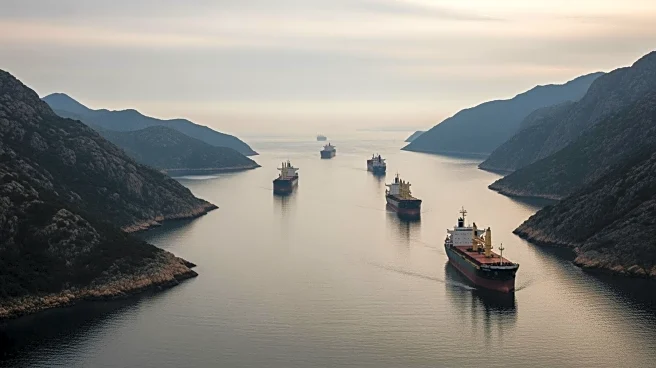
Iran's new Supreme Leader has issued a warning that the Strait of Hormuz will remain closed as a strategic pressure point against Western nations amidst ongoing conflicts. This development comes alongside reports of two attacks on American soil, one at Old
Dominion University, now being investigated as an ISIS-inspired act of terrorism, and another at a synagogue in the Detroit area. These incidents highlight escalating tensions and the potential for further geopolitical instability.
Why It's Important?
The closure of the Strait of Hormuz, a critical chokepoint for global oil shipments, could have significant implications for international energy markets and economic stability. Such a move would likely lead to increased oil prices and heightened tensions between Iran and Western countries, particularly the United States. The domestic attacks further underscore the persistent threat of terrorism and the need for vigilant security measures. These events collectively pose challenges for U.S. foreign policy and national security strategies.
What's Next?
In response to Iran's threat, the U.S. and its allies may consider diplomatic or military measures to ensure the Strait of Hormuz remains open. This could involve increased naval presence in the region or negotiations to de-escalate tensions. Domestically, the U.S. government is likely to enhance counter-terrorism efforts and security protocols to prevent future attacks. The international community will be closely monitoring these developments, as they could influence global economic and security dynamics.