






What's Happening?
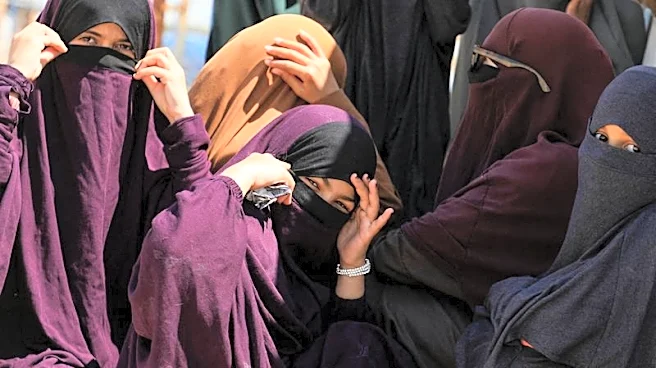
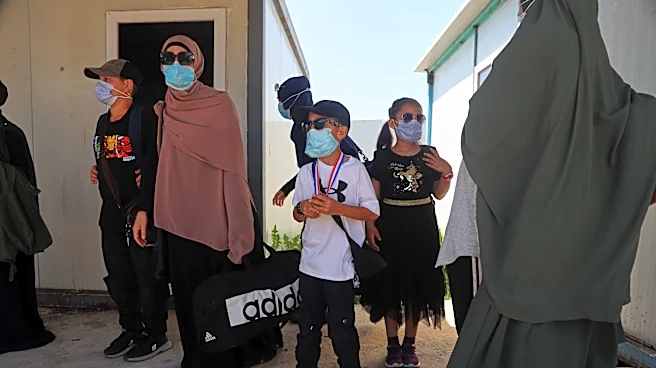
Three Australian women have been charged with slavery and terrorism offenses after returning from Syria. The women, who were part of a group of 13 individuals repatriated from the Roj camp in Syria, appeared in court where they were denied bail. Kawsar
Abbas, 53, and her daughter Zeinab Ahmed, 31, face charges related to the alleged purchase of a Yazidi slave for $10,000. Both women were detained by Kurdish forces in 2019 and have been held in the camp since. Another woman, Janai Safar, 32, was arrested at Sydney Airport and charged with being a member of a terrorist organization. The Australian government has condemned the women's actions and has stated that they will not receive government support.
Why It's Important?
The charges against these women highlight the ongoing legal and ethical challenges faced by countries dealing with citizens who joined or supported terrorist organizations abroad. The Australian government's firm stance reflects a broader international effort to address the complexities of repatriating individuals linked to the Islamic State. This case underscores the tension between national security concerns and humanitarian considerations, particularly regarding the children involved, who are seen as victims of their parents' decisions. The outcome of these legal proceedings could set precedents for how similar cases are handled in the future.
What's Next?
The legal proceedings for the charged women will continue, with bail applications expected to be revisited. The Australian government may face pressure to repatriate the remaining women and children in the Roj camp, balancing security concerns with humanitarian obligations. The use of temporary exclusion orders to prevent high-risk individuals from returning could become more prevalent, influencing future policy decisions. The international community will likely monitor these developments closely, as they may impact global strategies for dealing with former IS affiliates.