







What's Happening?
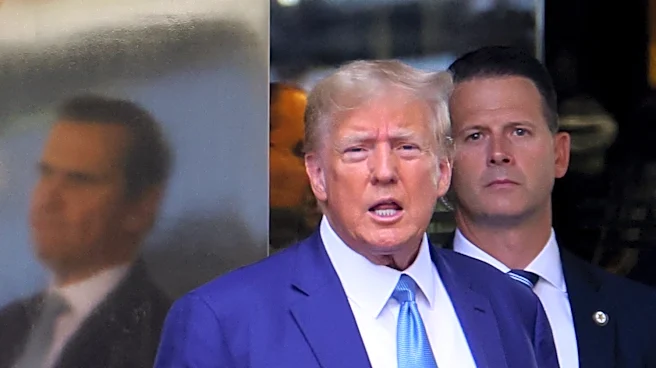
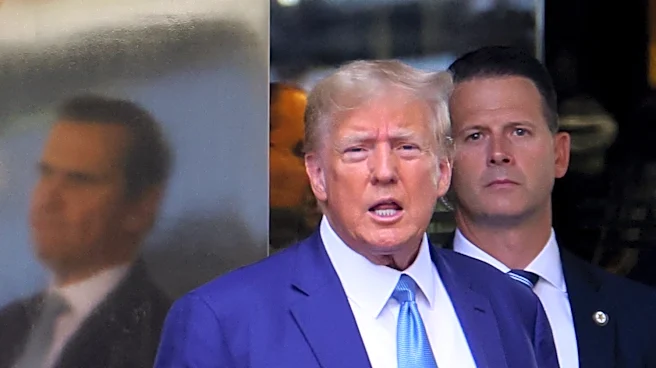
President Trump is urging Congress to pass the Safeguard American Voter Eligibility (SAVE) Act, which proposes stricter voter ID requirements. The act would require individuals registering to vote to provide documentation such as a Real ID, Passport,
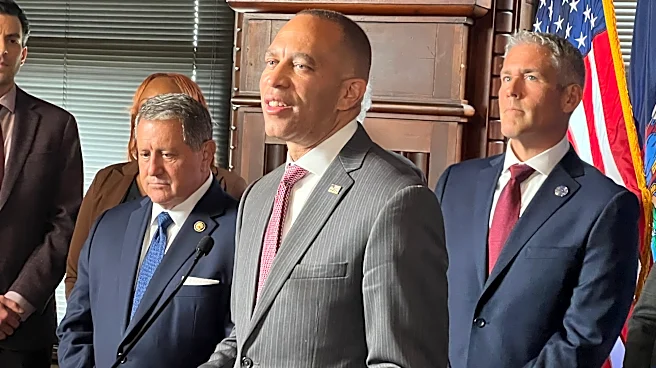
Military ID, or a certified birth certificate to prove citizenship. Democrats argue that most states already verify citizenship through government databases and express concerns that the act could disenfranchise voters, particularly married women who may face issues with name changes. New York Democrats are preparing for potential chaos at the polls and legal battles if Republicans lose their majority in Congress. Senate Minority Leader Chuck Schumer and other Democrats are strategizing to counteract potential disruptions on Election Day.
Why It's Important?
The SAVE Act represents a significant shift in voter ID laws, potentially impacting millions of voters across the U.S. Democrats fear that the act could lead to voter suppression, particularly among minority groups and women. The debate highlights the ongoing tension between ensuring election security and protecting voter access. The outcome of this legislative push could influence voter turnout and the integrity of the upcoming elections. The act's passage could also set a precedent for future election-related legislation, affecting how states manage voter registration and identification processes.
What's Next?
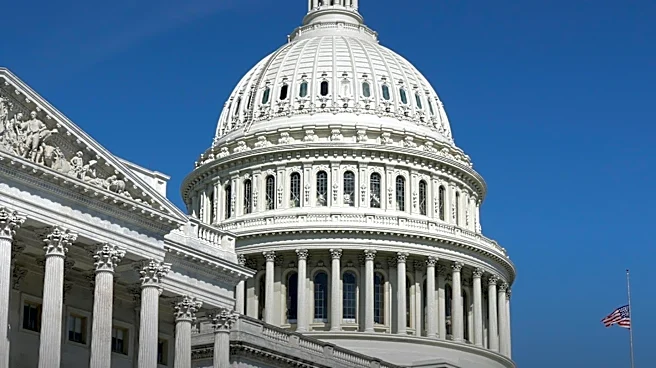
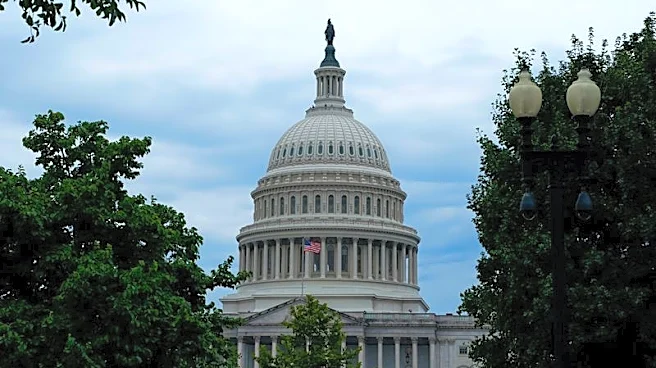
The House is expected to reconvene on August 31, while the Senate will return on September 14, just weeks before the midterm elections. The legislative process for the SAVE Act will likely continue to be contentious, with Democrats preparing legal challenges and public campaigns to oppose the act. The political landscape could shift depending on the act's progress and the public's response to the proposed changes. Key stakeholders, including civil rights organizations and state governments, may increase their advocacy efforts to influence the outcome.