


What's Happening?
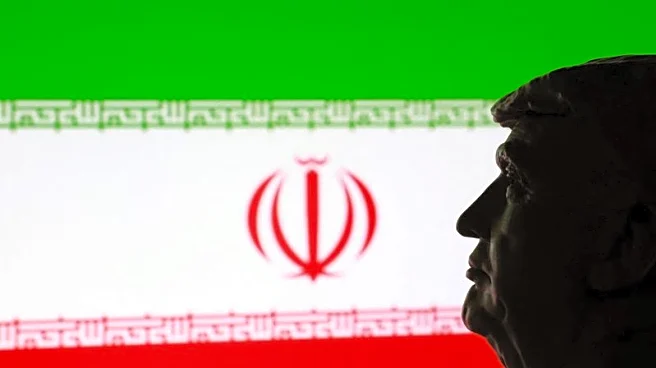
Israel and its Western allies are approaching the resumption of indirect nuclear negotiations with Iran with caution. The talks, taking place in Oman, are marked by significant disputes over the scope and concessions involved. Iran insists on maintaining
its uranium enrichment and ballistic missile programs, which it considers non-negotiable. These positions conflict with U.S. demands for zero enrichment and limits on missiles. The negotiations are seen as a potential pressure valve rather than a breakthrough, with concerns that they may leave Israel vulnerable to Iran's advancing capabilities.
Why It's Important?
The outcome of these negotiations could have profound implications for regional security and global diplomatic relations. Israel views Iran's nuclear and missile programs as existential threats, and any agreement that does not address these concerns could lead to increased tensions. The talks also highlight the broader geopolitical dynamics in the Middle East, where Iran's influence and military capabilities are a source of concern for many countries. The potential for Iran to use negotiations as a means to buy time and advance its programs poses a significant challenge to international efforts to ensure regional stability.
What's Next?
As negotiations continue, Israel is likely to maintain a strategy that includes intelligence pressure, economic and diplomatic coordination with allies, and a credible independent military option. The international community will be closely monitoring the talks for any signs of progress or setbacks. The potential for domestic unrest in Iran to influence its foreign policy decisions adds another layer of complexity to the situation. Regional actors, including Hezbollah and Hamas, will be watching Israel's response to gauge its resolve and readiness to act.