





What's Happening?
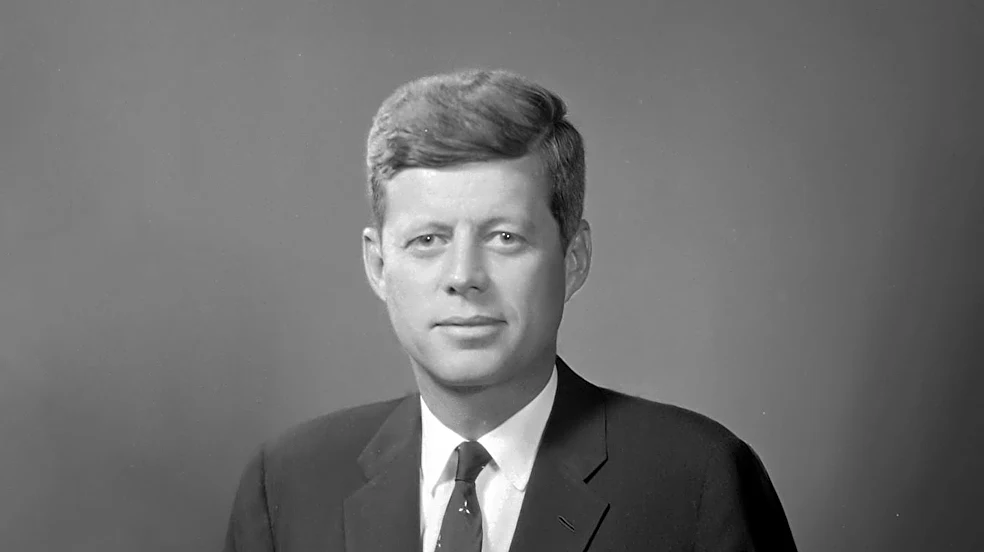
John F. Kennedy, the 35th President of the United States, is widely recognized by his nickname 'Jack.' This informal name, originating from his childhood, played a significant role in shaping public perception and how Americans remember him. His father,
Joseph P. Kennedy Sr., preferred informal nicknames for his children, and 'Jack' became the everyday name within the family and close circles. This personal connection carried over into his public life, offering a more approachable image compared to the formal 'John F. Kennedy.' Media outlets and political campaigns strategically adopted 'Jack Kennedy' as a headline-friendly shorthand, contributing to a populist warmth that resonated with voters. The nickname helped bridge the gap between the polished candidate and a relatable figure, complementing his youthful vigor and charisma during his political career.
Why It's Important?
The use of 'Jack' for John F. Kennedy is important because it illustrates the power of personal branding and public perception in U.S. politics. The nickname allowed for a more intimate and accessible connection with the public, humanizing a figure who would otherwise be known by a more formal title. This strategic use of an informal name helped to cultivate an image of relatability and warmth, which was crucial for his political campaigns and his enduring legacy. Even after his assassination, the nickname 'Jack' continues to evoke a sense of nostalgia and intimacy, softening the monumental status of the former president and anchoring public memory in a more personal context rather than distant iconography. This demonstrates how seemingly small details, like a nickname, can profoundly influence how a public figure is remembered and perceived by society.
What's Next?
The legacy of John F. Kennedy, including the use of his nickname 'Jack,' will continue to be explored in historical analyses, cultural commentaries, and public discourse. Future generations will likely continue to encounter 'Jack' in various forms of media, from documentaries to historical texts, perpetuating the dual image of the formal President and the approachable 'Jack.' The ongoing study of his presidency and personal life will further illuminate how this nickname contributed to his enduring appeal and the 'Camelot' myth. Scholars and biographers will likely continue to analyze the interplay between his formal identity and his informal moniker, examining how it shaped public memory and historical interpretation. The cultural impact of 'Jack' as a symbol of youthful leadership and charisma is expected to persist, influencing how future political figures might consider their own public personas.
Beyond the Headlines
The phenomenon of John F. Kennedy being known as 'Jack' delves into deeper psychological and sociological aspects of public identity and collective memory. It highlights how a personal, familial identifier can transcend its original context to become a powerful tool in political communication and cultural myth-making. The transition from 'John F. Kennedy' to 'Jack' reflects a societal desire for connection and relatability with leaders, suggesting that humanizing figures can foster stronger public engagement and affection. This dynamic also touches upon the ethical considerations of media portrayal and political branding, where a carefully curated image can significantly influence public opinion and historical narratives. The enduring use of 'Jack' underscores the idea that public figures are often remembered not just for their official roles, but also for the more personal, relatable aspects of their identity, which can shape their legacy for decades.