
What's Happening?
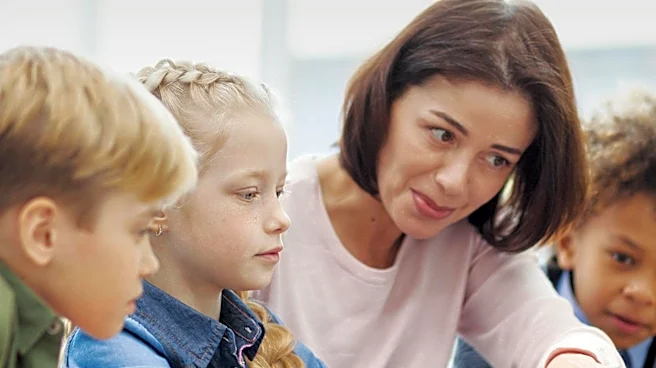
Effective classroom management is being redefined to prioritize relationships, prevention, and teaching over punitive measures. This approach focuses on creating learning environments conducive to instruction
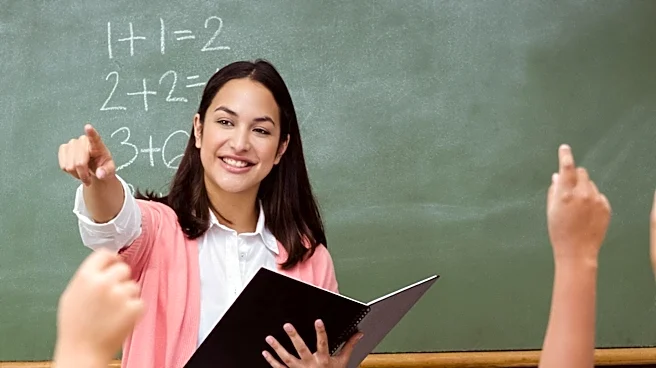
by establishing predictable routines, supportive room arrangements, and consistent, respectful limits. Key elements include arranging the physical classroom environment, setting clear rules and procedures, maintaining student attention during lessons, fostering engagement in academic activities, and influencing student behavior through positive means. The goal is to build calmer classrooms where students feel supported and understood, leading to improved learning outcomes and a more positive educational experience. This shift moves away from traditional disciplinary methods towards a more holistic and proactive strategy for managing student conduct and engagement.
Why It's Important?
This evolving perspective on classroom management holds significant importance for the U.S. education system. By emphasizing relationships and prevention, educators can create more inclusive and supportive learning environments, potentially reducing behavioral issues and improving student well-being. This approach can lead to a decrease in disciplinary actions, which disproportionately affect certain student populations, thereby promoting equity in schools. For teachers, adopting these strategies can lead to less stress and burnout, as they spend less time on reactive discipline and more time on instruction and building positive connections with students. Ultimately, a calmer and more predictable classroom environment can enhance academic achievement and foster a love for learning, benefiting students, educators, and the broader educational community.
What's Next?
The adoption of these relationship-based classroom management strategies is likely to continue expanding across U.S. schools. Teacher training programs and professional development initiatives will increasingly focus on equipping educators with the skills to implement these proactive techniques. School districts may revise their disciplinary policies to align with these principles, emphasizing restorative practices and positive behavior interventions. Further research will likely explore the long-term impacts of these methods on student academic performance, social-emotional development, and overall school climate. Educational technology may also play a role in supporting these strategies, offering tools for tracking student engagement and providing resources for personalized behavioral support. The ongoing shift suggests a future where classroom environments are more nurturing and less reliant on punitive measures.
Beyond the Headlines
The move towards relationship-based classroom management reflects a broader societal shift in understanding child development and effective behavioral guidance. It acknowledges that student behavior is often a form of communication and that addressing underlying needs and building trust can be more effective than simply imposing consequences. This approach has ethical implications, promoting a more humane and respectful treatment of students, recognizing their inherent dignity, and fostering their sense of agency. Legally, it may lead to fewer instances of student suspensions and expulsions, potentially reducing disparities in disciplinary actions. Culturally, it encourages a more collaborative and empathetic school community, where students, teachers, and parents work together to create a supportive learning environment, moving away from a purely authoritarian model of education.