



What's Happening?
Recent U.S.-brokered negotiations between Russia and Ukraine in Geneva concluded without significant progress, as both sides described the talks as 'difficult.' This meeting marked the third round of direct discussions organized by the U.S., following
earlier sessions in Abu Dhabi. Ukrainian President Volodymyr Zelenskyy accused Russia of prolonging negotiations while continuing its military aggression. Despite some advancements on military issues, political differences remain, particularly concerning the status of eastern Ukrainian territories occupied by Russia. The head of the Russian delegation, Vladimir Medinsky, characterized the talks as 'businesslike,' while Kremlin spokesman Dmitry Peskov noted it was too early to determine the outcome. Both parties have agreed to continue discussions, with the U.S. expected to assist in monitoring any potential ceasefire.
Why It's Important?
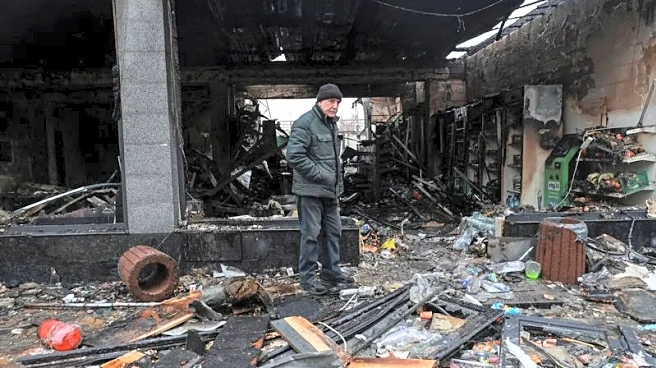
The ongoing conflict between Russia and Ukraine has significant implications for international security and geopolitical stability. The lack of a breakthrough in these talks underscores the challenges in resolving territorial disputes and political tensions. The involvement of European nations highlights the broader security concerns, as they view the conflict as a threat to regional stability. The U.S.'s role in facilitating these discussions reflects its strategic interest in promoting peace and stability in Eastern Europe. The continuation of hostilities, including recent drone attacks by Russia, exacerbates humanitarian issues and economic disruptions in Ukraine, affecting global markets and international relations.
What's Next?
Future negotiations are anticipated, with both sides committed to further discussions. The U.S. is expected to play a crucial role in monitoring any ceasefire agreements, which could pave the way for more comprehensive peace talks. However, significant obstacles remain, including Russia's demands for Ukraine to renounce NATO membership and territorial concessions. The international community, particularly European nations, will likely continue to exert diplomatic pressure to achieve a resolution. The ongoing conflict and its resolution will have lasting impacts on international alliances and security policies.