

What's Happening?
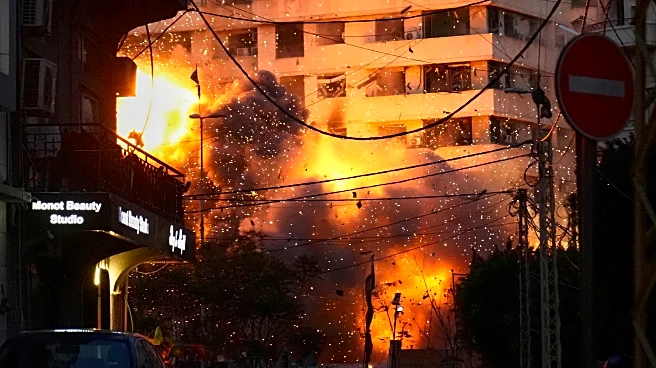
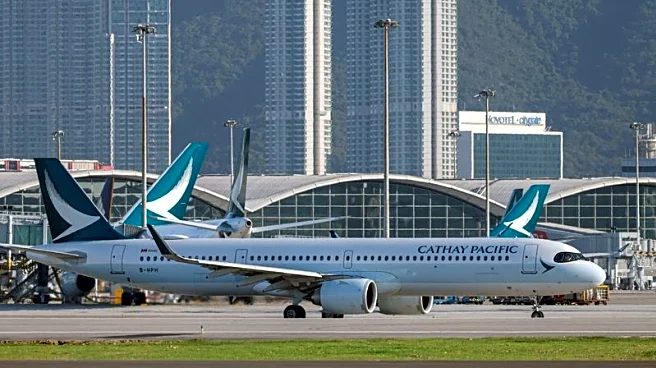
The ongoing conflict in the Middle East, known as Operation Roaring Lion, is disrupting global pharmaceutical supply chains, particularly affecting the shipment of temperature-sensitive medicines such as cancer treatments. Key air routes and maritime
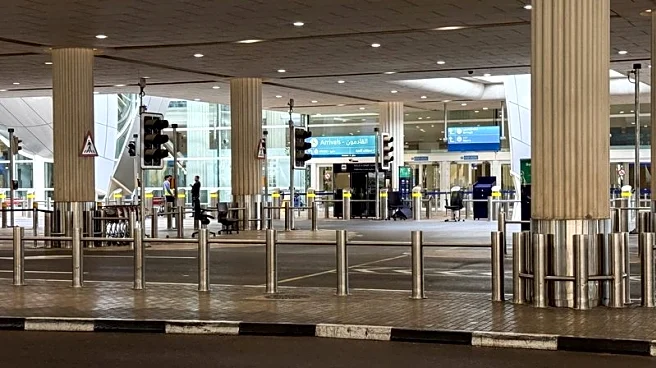
traffic have been compromised due to regional tensions, forcing pharmaceutical companies to reroute shipments and find alternative transit routes. Major aviation hubs in Dubai, Abu Dhabi, and Doha have been damaged, impacting the movement of goods. While there are currently no significant drug shortages, prolonged disruptions could lead to supply difficulties for hospitals and health systems.
Why It's Important?
The disruption of medicine supply routes poses a significant threat to the continuity of cancer treatments and other critical healthcare services. Temperature-sensitive drugs, which require a continuous cold chain, are particularly vulnerable to delays. If the situation persists, patients may face treatment interruptions, potentially worsening their conditions. The conflict highlights the fragility of global supply chains and the need for robust contingency plans to ensure the availability of essential medicines during geopolitical crises. The healthcare sector must adapt quickly to mitigate the impact on patient care and maintain treatment continuity.
What's Next?
Pharmaceutical and logistics companies are actively seeking alternative routes to ensure the continued supply of medicines. Some shipments are being redirected to other airports in the region, such as Jeddah and Riyadh, and transported by truck to their destinations. Companies are prioritizing shipments vital for patients, including cancer treatments, and exploring options like routing through Istanbul or Oman. The situation underscores the importance of international cooperation and strategic planning to address supply chain vulnerabilities and ensure the resilience of healthcare systems during conflicts.