






What's Happening?
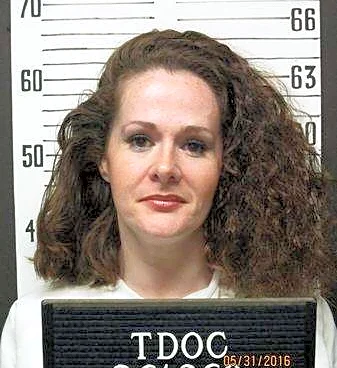
The U.S. Supreme Court has lifted a temporary stay of execution for Christa Pike, who was convicted of murder in 1996. This decision came after a federal appeals court had initially granted a stay, which was subsequently overturned by the Supreme Court.
Justice Sonia Sotomayor and two other liberal justices criticized the high court's intervention, arguing it would allow the state to execute Pike before her conviction's litigation had properly concluded in lower courts. Pike was 18 when she committed the crime, torturing and beating a 19-year-old classmate to death with the help of her then-boyfriend, Tadary Shipp. Shipp, being 17 at the time, received a life sentence with the possibility of parole, while Pike was sentenced to death. Her case is notable as she is one of only eight teenagers sentenced to death in Tennessee in the last 50 years, and the only one whose sentence has not been vacated. The case has drawn attention to the disparities in legal representation for death penalty defendants.
Why It's Important?
This Supreme Court decision underscores ongoing concerns about the fairness and consistency of the capital punishment system in the United States, particularly regarding the quality of legal representation. The source highlights that the fate of death penalty defendants often depends not only on their actions but also on the effectiveness of their legal counsel and their ability to navigate complex legal processes. In Pike's case, her lawyers reportedly devoted only an hour to convincing the jury to spare her life and did not present a full picture of her traumatic childhood, including repeated sexual assaults and diagnoses of Bipolar Disorder and Post-Traumatic Stress Disorder. This raises critical questions about whether all defendants receive adequate legal defense, especially in capital cases where the stakes are highest. The outcome for Pike, compared to Shipp, also brings to light potential inconsistencies in sentencing for co-defendants in similar crimes, further fueling debates about equitable justice.
What's Next?
With the Supreme Court lifting the stay, Christa Pike's execution can proceed, though the exact timing is not specified in the source. The decision is likely to reignite discussions among legal scholars, human rights advocates, and the public about the death penalty's application, particularly for individuals with histories of trauma and mental health issues. Advocacy groups may continue to appeal for clemency or seek other legal avenues to prevent the execution, potentially focusing on the arguments regarding her mental health and the alleged inadequacy of her initial legal representation. The case could also influence future legal challenges to death penalty sentences, particularly those involving young offenders or defendants whose personal histories were not fully presented during their trials. The dissenting opinions from the liberal justices suggest that the debate over the Supreme Court's role in such cases will persist.
Beyond the Headlines
The Christa Pike case delves into the deeper societal implications of capital punishment, particularly the ethical and moral considerations surrounding the execution of individuals with severe mental health conditions and traumatic pasts. The source implicitly questions whether the legal system adequately accounts for such factors when determining the ultimate penalty. The disparity in sentencing between Pike and Shipp, despite their involvement in the same crime, highlights the subjective nature of justice and the profound impact of legal strategy and representation. This case could serve as a focal point for broader conversations about criminal justice reform, the role of mitigation evidence in sentencing, and the ongoing debate about whether the death penalty can ever be applied justly and humanely, especially when defendants' backgrounds and mental states are not fully considered.