






What's Happening?
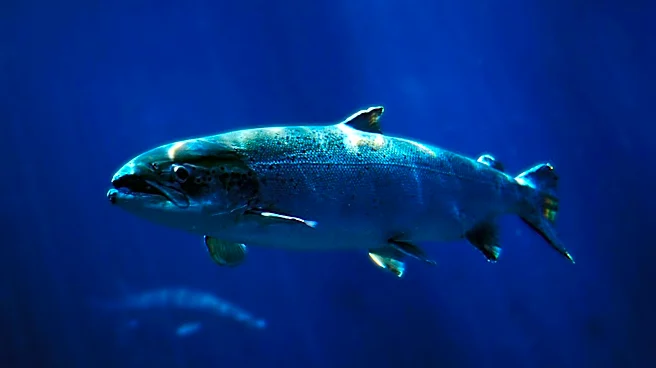
The Ichthyophonus parasite is causing significant harm to the Chinook salmon populations in the Yukon River. This parasite, which thrives in warm conditions, has been linked to the decline in salmon quality and numbers since the 1980s. Stan Zuray, a researcher
and former subsistence representative, has been documenting the parasite's impact, noting its prevalence during warmer periods. The parasite affects the salmon's heart, leading to mushy texture and a sour smell. Recent studies indicate that Ichthyophonus infections have coincided with a drastic reduction in Chinook salmon runs, exacerbated by climate change and other environmental stressors.
Why It's Important?
The decline of Chinook salmon due to Ichthyophonus infections poses a threat to the ecological balance and the cultural and economic livelihoods of communities relying on these fish. The parasite's impact is compounded by climate change, which stresses the salmon's habitat, making them more susceptible to infections. This situation highlights the broader implications of environmental changes on biodiversity and food security. Efforts to manage and mitigate these impacts are crucial for sustaining the salmon populations and the communities that depend on them.
What's Next?
Research efforts are ongoing to better understand the role of Ichthyophonus in the decline of Chinook salmon. The Alaska Department of Fish and Game, along with other partners, is prioritizing studies to manage the current salmon runs effectively. There is also a push to develop nonlethal testing methods for the parasite to reduce pressure on the already dwindling salmon populations. These efforts aim to inform management strategies and fulfill treaty obligations with Canada regarding sustainable salmon populations.