




What's Happening?
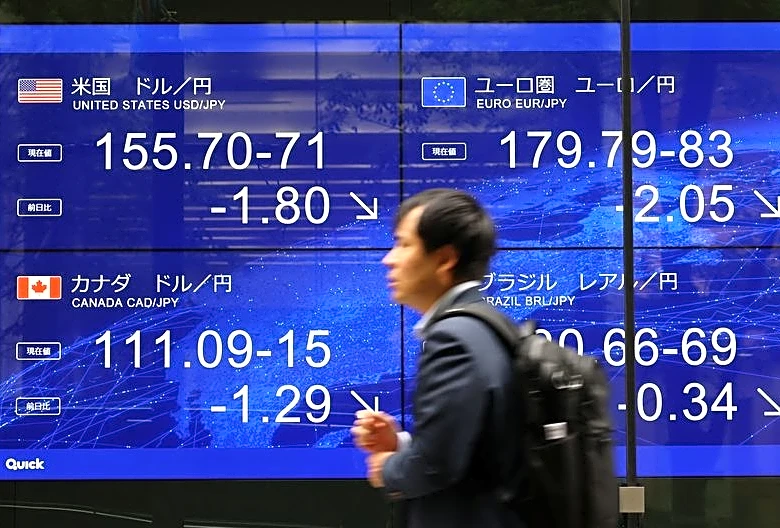
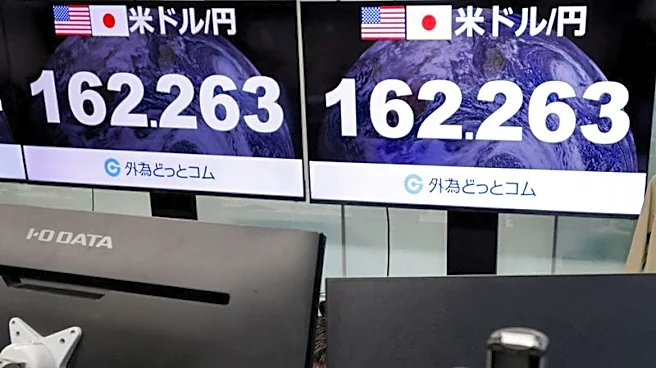
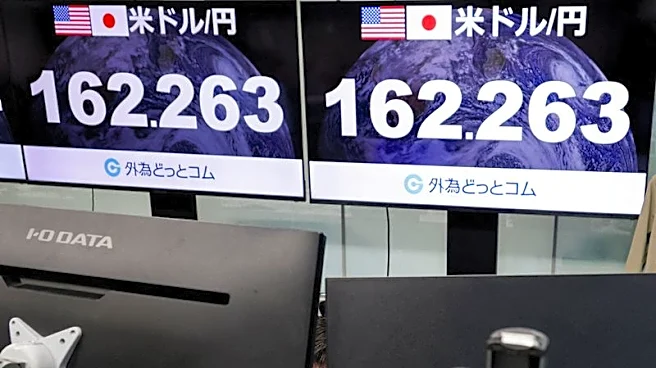
Japan has once again intervened in the foreign exchange market to support the Yen, with the U.S. participating in this effort. The intervention is believed to be substantial, potentially surpassing previous efforts. The U.S. involvement, however, has raised
questions, particularly due to the decision to sell Euros to buy Yen instead of using Dollars. This move has led to market speculation about the effectiveness of the intervention and the underlying reasons for the U.S.'s approach.
Why It's Important?
The intervention in the Yen market is significant as it reflects ongoing concerns about currency depreciation and its impact on Japan's economy. The U.S.'s participation adds a new dimension, suggesting a coordinated effort to stabilize the Yen. However, the unconventional approach of selling Euros may undermine confidence in the intervention's success. The situation highlights the challenges of managing currency values in a globalized economy and the potential implications for international trade and financial markets.
What's Next?
Market participants will likely continue to scrutinize the intervention's impact on the Yen and broader currency markets. The effectiveness of the intervention will be closely watched, with potential adjustments in strategy if the Yen continues to weaken. The U.S. and Japan may need to consider additional measures to address underlying economic pressures and maintain market stability.
Beyond the Headlines
The intervention underscores the complexities of currency management and the interconnectedness of global financial systems. The decision to involve the U.S. and the choice of currency transactions may reflect broader strategic considerations, including geopolitical and economic factors. The situation may prompt discussions about the role of central banks and international cooperation in addressing currency volatility.