







What's Happening?
Remote destinations are experiencing a new phase in international tourism, with travelers increasingly opting for longer stays that integrate leisure, local living, and flexible work. Countries such as Thailand, Vietnam, Indonesia, Portugal, and Georgia
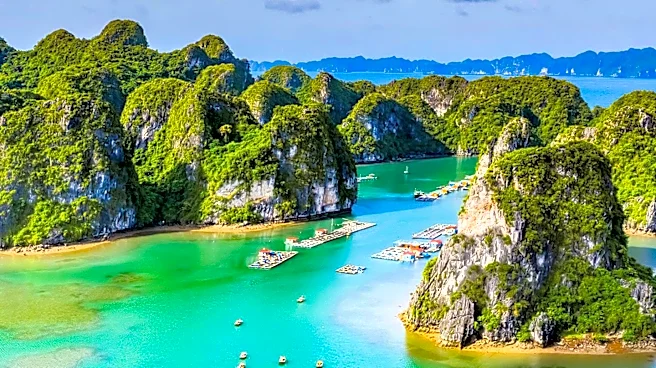
are benefiting from this trend, attracting individuals who seek a blend of connectivity, affordability, lifestyle experiences, and cultural immersion. This shift is transforming how travelers choose their destinations, with temporary residency becoming a more appealing alternative to traditional short vacations. Thailand, particularly through cities like Chiang Mai, and Vietnam, with destinations such as Da Nang, are strengthening their positions as hubs for this long-stay travel, offering a combination of cultural heritage, affordable living, and robust infrastructure for remote workers.
Why It's Important?
This trend signifies a structural change in global travel behavior, impacting the U.S. tourism industry and the way U.S. citizens engage with international travel. For U.S. travelers, it presents opportunities for deeper cultural experiences and more cost-effective living while maintaining their professional careers. This could lead to a re-evaluation of traditional vacation models, with more Americans considering extended stays abroad. For the U.S. travel industry, this shift may necessitate adapting services to cater to longer-term international travel, potentially influencing demand for specific types of flights, insurance, and remote work support services. It also highlights the growing importance of reliable internet infrastructure and a supportive community for remote workers, factors that U.S. cities might consider to attract and retain their own remote workforce.
What's Next?
The future of tourism will increasingly depend on destinations' ability to offer meaningful experiences, reliable infrastructure, and authentic local engagement. Travel businesses, including those catering to U.S. clients, are expected to develop longer-duration packages, highlight local experiences, and partner with accommodation providers offering extended stays. There will likely be a continued focus on promoting destinations based on lifestyle benefits rather than just attractions. Furthermore, monitoring visa and entry regulations will become crucial for long-stay travelers, and the development of flexible products suitable for remote workers and independent travelers will be key. This trend is not replacing traditional holidays but is creating a new travel category where exploration and everyday living merge.
Beyond the Headlines
The remote travel shift has broader implications beyond tourism, touching upon global interconnectedness and cultural exchange. For U.S. citizens, living and working in diverse international settings can foster a more global perspective, enhancing cross-cultural understanding and potentially influencing U.S. foreign policy and business practices. However, it also raises questions about the integration of these temporary residents into local communities and the potential for cultural commodification. The emphasis on 'meaningful experiences' and 'authentic local engagement' suggests a desire for deeper connections, moving beyond superficial tourism. This could lead to a more responsible and sustainable form of travel, but also requires careful management to ensure that local communities truly benefit and are not negatively impacted by the influx of remote workers.