






What's Happening?
A series of recent food recalls involving beef, eggs, lettuce, and jalapeños has heightened food safety concerns among Texas consumers, leading some to reconsider their purchasing habits. Notably, a recall of nearly 30,000 pounds of raw beef imported
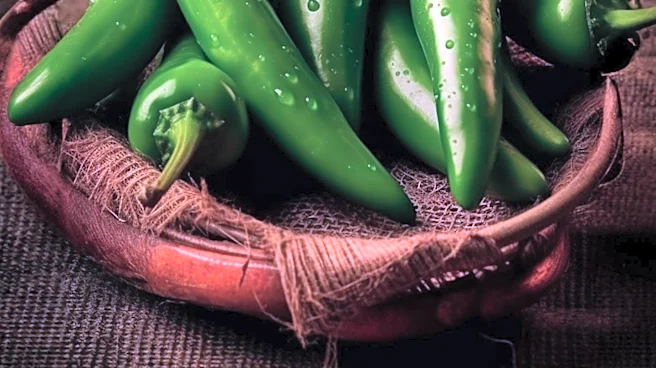
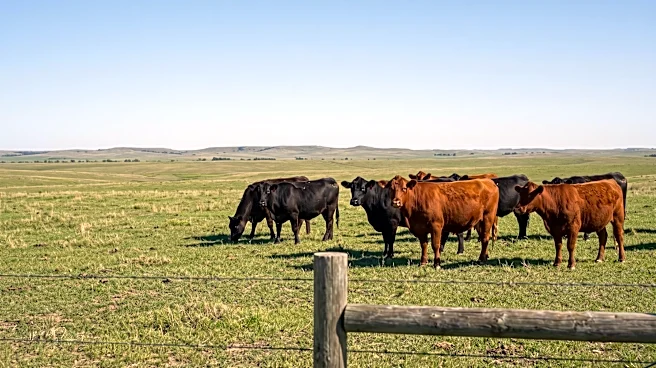
from Argentina by Corte Argentino USA LLC occurred because the meat entered the U.S. without the required federal import reinspection, not due to confirmed contamination. Other significant recalls include over 1.5 million dozen eggs from Midwest Poultry Services due to potential Salmonella contamination, iceberg lettuce from Taylor Farms de Mexico linked to a Cyclospora outbreak, and jalapeños from Coast Citrus Distributors associated with a Salmonella outbreak, which led to further recalls of prepared foods containing these peppers. These incidents have prompted some Houston-area families to explore alternative sourcing, such as purchasing beef directly from local ranchers like Anthony Thomas of Thomas Cattle & Catering, who offers bulk beef sales.
Why It's Important?
The recent wave of food recalls is significant because it directly impacts public health and consumer confidence in the food supply chain. Recalls due to lack of inspection, bacterial contamination (Salmonella, Cyclospora), and parasitic infections highlight systemic vulnerabilities in both domestic and imported food products. For consumers, this translates into a heightened awareness of food origins and safety protocols, driving a shift towards local sourcing. This trend could bolster local agricultural economies and promote more transparent supply chains, but it also necessitates consumers to be well-informed about the safety practices of local producers. The economic implications include potential losses for large-scale distributors affected by recalls and a possible boost for smaller, local farms that can offer greater traceability and direct consumer engagement.
What's Next?
Consumers are increasingly expected to scrutinize the origins and safety of their food, potentially leading to a sustained demand for locally sourced products. For those considering bulk purchases from local ranchers, it is crucial to ask detailed questions about animal raising, slaughtering, processing, inspection status (federally or state-inspected), pricing structures (live weight, hanging weight, packaged weight), and recall procedures. Food safety experts emphasize that local meat is not inherently safer and still requires proper handling and cooking. Regulatory bodies like the USDA and FDA will likely continue to enforce inspection requirements and issue recalls as necessary, prompting ongoing vigilance from both producers and consumers. The trend may also encourage more local producers to enhance transparency and certification to meet growing consumer demand for verified safe food.
Beyond the Headlines
The shift towards local food sourcing, driven by safety concerns, reflects a broader societal trend towards greater transparency and accountability in production. This movement challenges the traditional industrial food system, which often prioritizes efficiency and cost over direct traceability. Ethically, consumers are increasingly concerned not only with safety but also with animal welfare and environmental sustainability, which local producers often highlight. Legally, the distinction between recalls due to contamination versus lack of inspection underscores the complexity of food safety regulations and the importance of adherence at every stage of the supply chain. Culturally, this trend could foster a stronger connection between consumers and their food sources, potentially revitalizing local economies and agricultural practices, and encouraging a more informed approach to dietary choices.