
What's Happening?
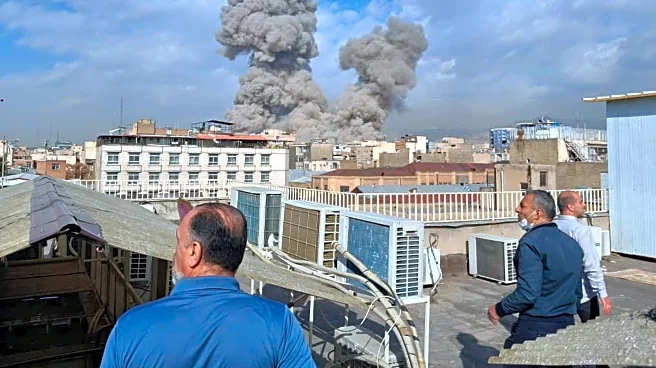
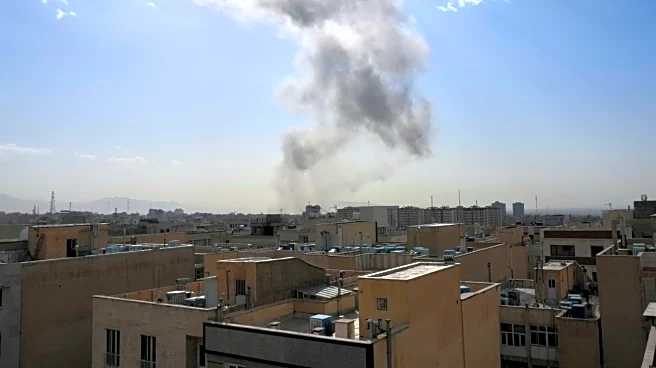
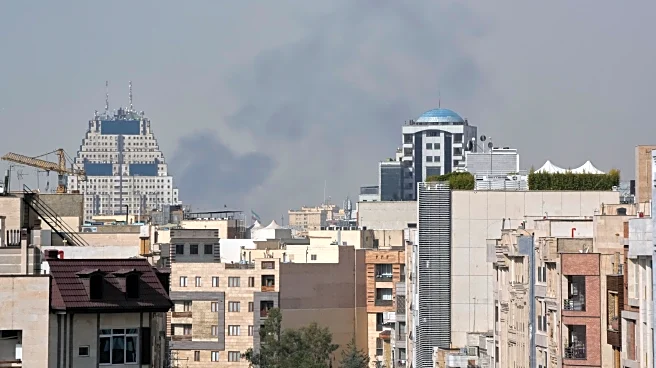
In a significant military operation, the United States and Israel conducted coordinated airstrikes targeting Iranian military infrastructure and high-ranking officials. According to reports, several senior commanders of Iran's Islamic Revolutionary Guard
Corps (IRGC) and political figures were killed. The strikes aimed to neutralize missile launch capabilities and degrade air defenses, following weeks of heightened tensions. Israeli officials have described the operation as a preemptive measure against an imminent missile threat. The situation remains volatile, with the Home Front Command advising civilians to stay near protected areas despite a temporary easing of shelter-in-place directives.
Why It's Important?
This joint military action marks a significant escalation in U.S.-Iran and Israel-Iran relations, potentially impacting regional stability and international diplomatic efforts. The strikes could provoke retaliatory actions from Iran, affecting global oil markets and international security. The involvement of high-ranking Iranian officials in the targets suggests a strategic move to weaken Iran's military leadership, which could alter power dynamics within the region. The operation underscores the ongoing geopolitical tensions and the potential for further military engagements, influencing U.S. foreign policy and defense strategies.
What's Next?
The aftermath of the strikes may lead to increased military readiness and potential retaliatory measures from Iran. International diplomatic channels might be engaged to de-escalate tensions, with possible involvement from global powers seeking to mediate. The U.S. and Israel may face international scrutiny and calls for restraint, while regional allies could be drawn into the conflict. Monitoring of the situation will be crucial, as further developments could impact global security and economic conditions.