





What's Happening?
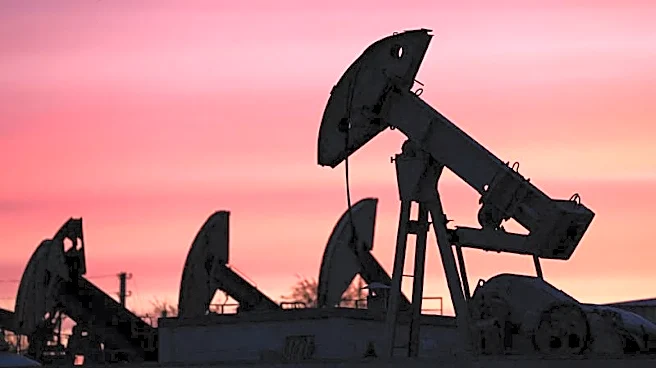
The United Arab Emirates (UAE) has announced its decision to leave the Organization of the Petroleum Exporting Countries (OPEC) and OPEC+ effective May 1. This move marks a significant shift in the global oil landscape, as the UAE has been a member of OPEC for
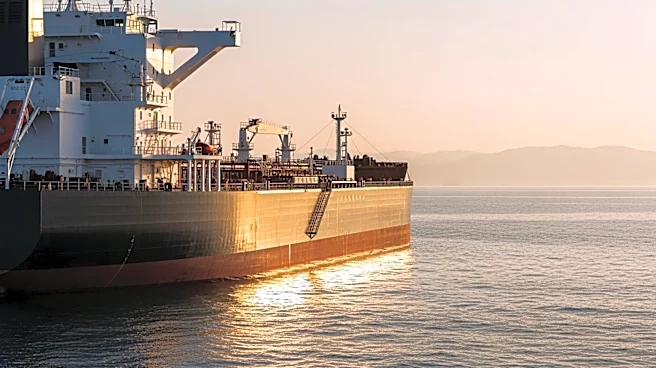
six decades. The decision is attributed to growing tensions with Saudi Arabia and the ongoing Iran war, which has disrupted oil transport through the Strait of Hormuz. The UAE's departure reflects its strategic and economic vision to enhance domestic energy production and maintain a reliable role in global energy markets.
Why It's Important?
The UAE's exit from OPEC could have far-reaching implications for global oil markets, potentially affecting oil prices and supply stability. As a major oil producer, the UAE's decision may influence other countries' strategies within OPEC and beyond. The move highlights the geopolitical tensions in the Gulf region, particularly the impact of the Iran war on oil exports. For the U.S., changes in OPEC dynamics could affect energy prices and economic stability, influencing domestic energy policies and international relations.
What's Next?
The UAE's departure from OPEC is likely to prompt discussions among remaining OPEC members about future production strategies and alliances. The global oil market may experience volatility as stakeholders adjust to the new dynamics. The UAE may seek to strengthen bilateral energy partnerships and investments to support its strategic goals. Observers will be watching for potential shifts in oil prices and supply chains, as well as responses from major oil-consuming nations.