



What's Happening?
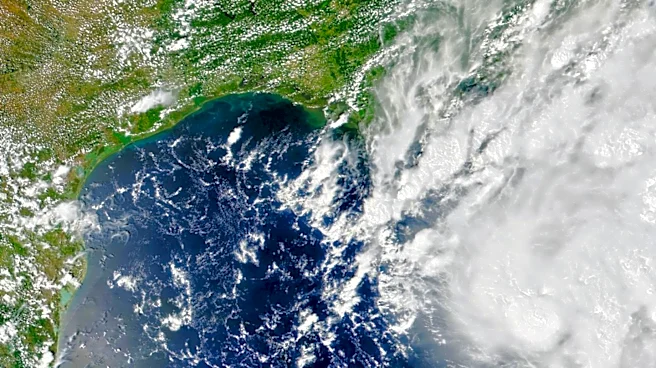
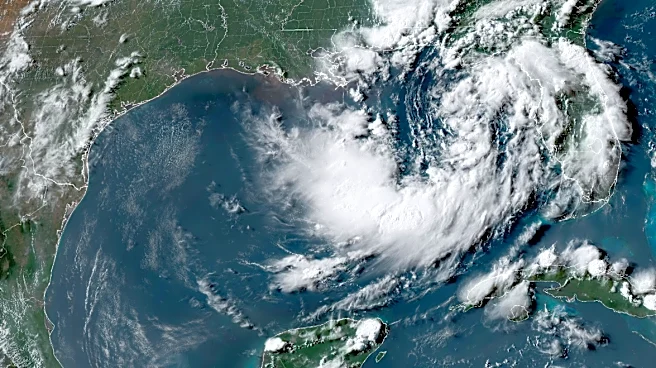
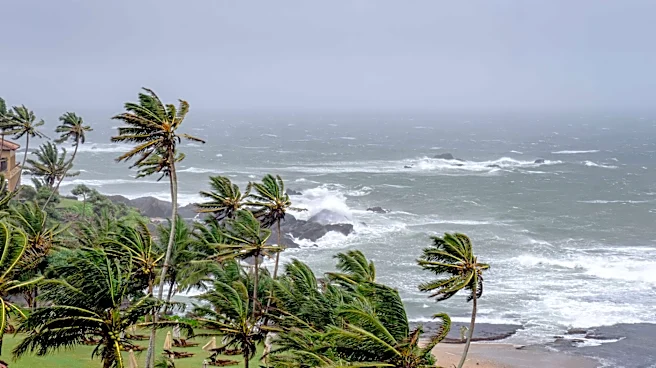
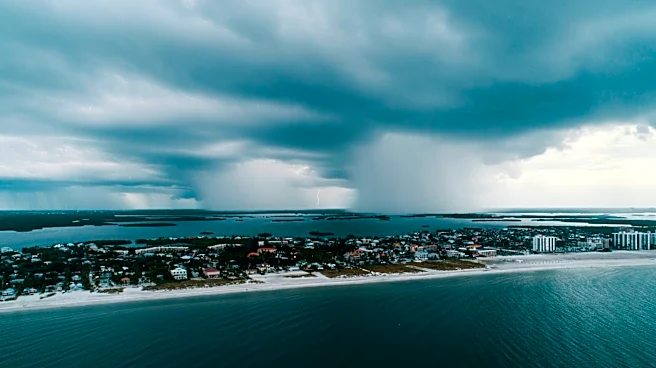
Tropical Storm Bertha has formed in the Gulf of Mexico, south of the Florida Panhandle, and is expected to intensify as it approaches the U.S. Gulf Coast. As of Monday evening, the storm was located approximately 110 miles south of Panama City, Florida,
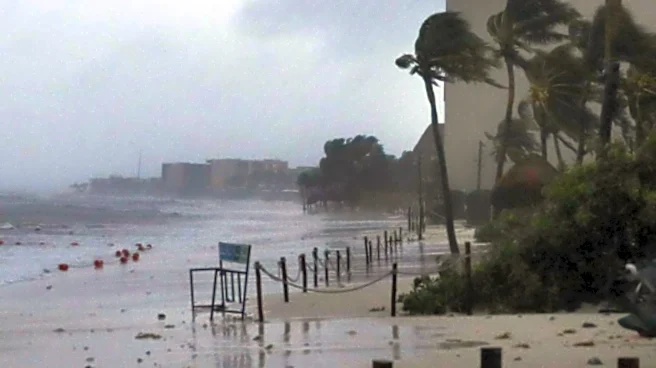
with maximum sustained winds of 40 mph. The National Hurricane Center in Miami has reported that Bertha is moving west-northwest at a slow pace of 3 mph. The storm is anticipated to bring heavy rain, storm surges, and damaging wind gusts to coastal areas in northern Florida, Alabama, Mississippi, and Louisiana. This development marks Bertha as the second tropical storm of the Atlantic hurricane season, following Tropical Storm Arthur, which affected the southeastern United States last month.
Why It's Important?
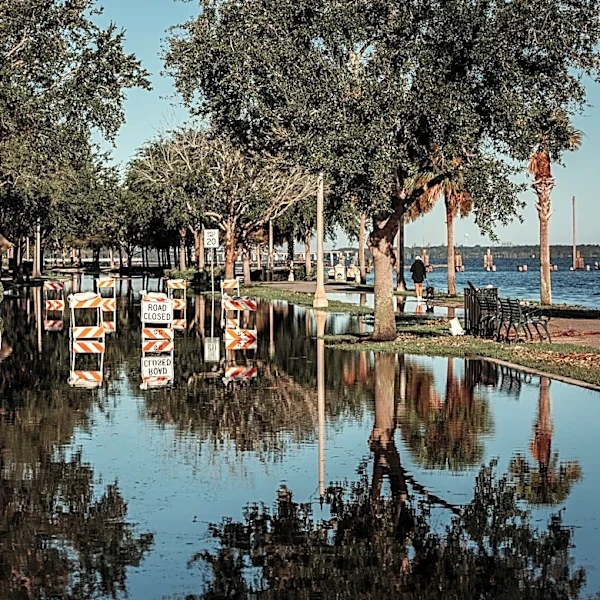
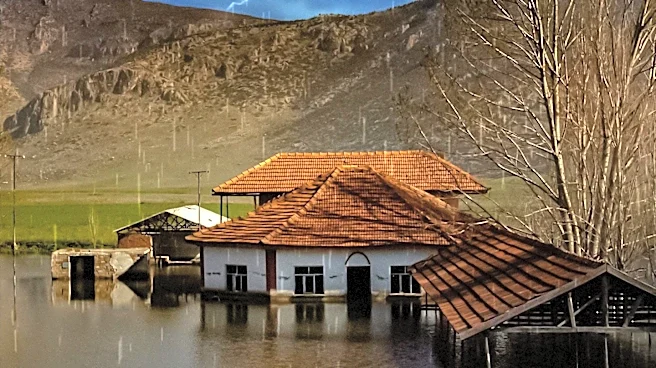
The formation of Tropical Storm Bertha poses significant risks to the Gulf Coast region, which is vulnerable to severe weather events. The anticipated heavy rainfall and strong winds could lead to flooding, property damage, and disruptions in daily life for residents in the affected areas. Coastal communities in Florida, Alabama, Mississippi, and Louisiana are particularly at risk, as they may experience storm surges and power outages. The storm's impact on local economies, particularly in sectors such as tourism and fishing, could be substantial. Additionally, emergency services and infrastructure may be strained as they respond to potential damages and ensure public safety.
What's Next?
As Tropical Storm Bertha approaches the Gulf Coast, residents in the affected areas are advised to stay informed through official weather updates and prepare for potential evacuations. Local authorities may issue warnings and advisories to ensure public safety. Emergency response teams are likely to be on high alert, ready to assist with evacuations and provide aid to those impacted by the storm. The National Hurricane Center will continue to monitor the storm's progression and provide updates on its path and intensity. Communities are encouraged to secure property and stock up on essential supplies in anticipation of the storm's arrival.