





What's Happening?
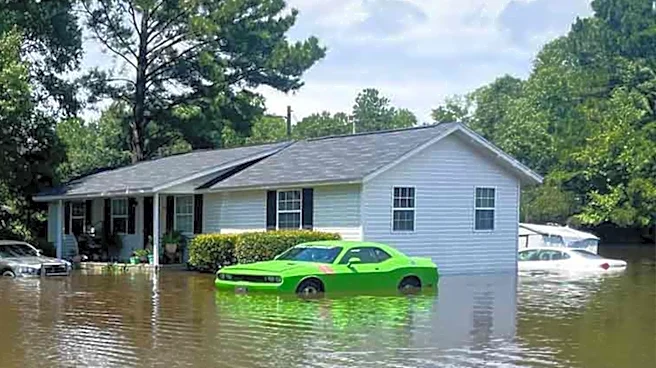
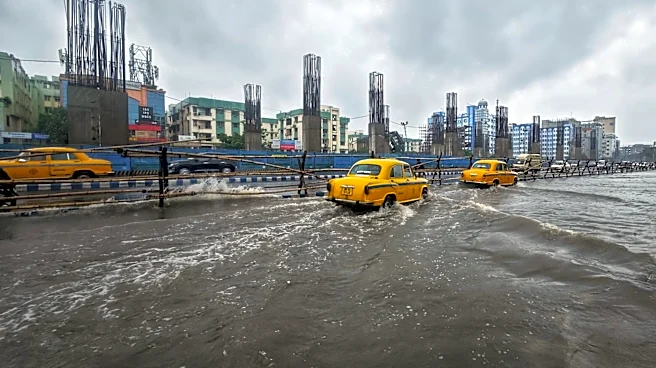
From July 28 to 30, 2026, the Hudson Valley experienced an extraordinary rainfall event, leading to significant flash flooding. The region, particularly the Capital Region and northern parts of the mid Hudson Valley, received between 6 to 12 inches of rain within
a short period. This intense rainfall resulted in major flooding of streams and creeks, affecting areas such as Albany, Schenectady, and Rensselaer counties. The event set new records for rainfall in Albany, marking the wettest July day and the second wettest day on record. The flooding caused extensive damage to infrastructure, with roads and bridges washed out and numerous buildings flooded.
Why It's Important?
The flooding highlights the increasing vulnerability of infrastructure to extreme weather events, which are becoming more frequent due to climate change. The economic impact is significant, with municipalities facing millions in repair costs. This event underscores the need for improved flood management and infrastructure resilience. It also raises awareness about the potential for climate change to exacerbate weather extremes, prompting discussions on policy measures to mitigate such impacts. The event serves as a reminder of the importance of emergency preparedness and the need for investment in sustainable infrastructure.
What's Next?
In the aftermath of the flooding, local governments and emergency services are focused on recovery and rebuilding efforts. There may be calls for federal assistance to support the affected communities. Long-term, this event could lead to policy changes aimed at enhancing flood defenses and infrastructure resilience. Environmental groups and policymakers might push for stronger climate action to address the root causes of such extreme weather events. The event could also influence future urban planning and development strategies to better accommodate and manage heavy rainfall.