






What's Happening?
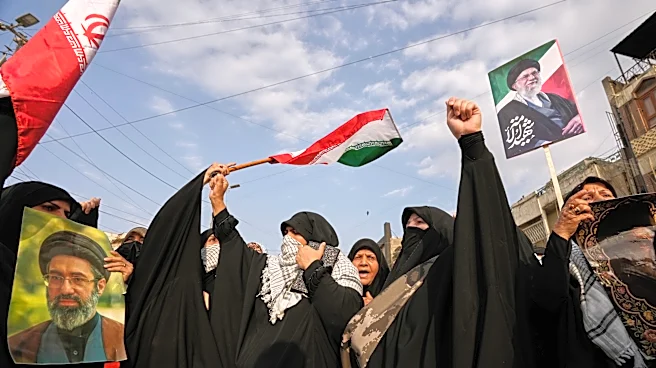
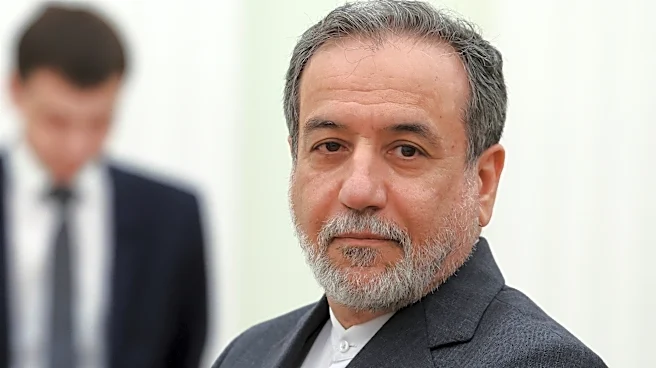
On April 21, 2026, President Trump extended a fragile two-week ceasefire with Iran as tensions in the Strait of Hormuz escalated. The extension, initially expected to last three to five days, comes amid ongoing negotiations in Islamabad, Pakistan. The ceasefire aims
to de-escalate the conflict that has disrupted global supply chains, including jet fuel shortages. Despite the ceasefire, Iran has seized vessels in the Strait, and the U.S. has maintained a naval blockade to pressure Iran into negotiations. The situation remains volatile, with Israel closely monitoring developments as it aligns with U.S. strategies.
Why It's Important?
The ceasefire extension is crucial for stabilizing the region and preventing further escalation that could impact global oil prices and supply chains. The Strait of Hormuz is a critical chokepoint for global oil shipments, and any disruption could have significant economic repercussions. The U.S. aims to leverage the ceasefire to push for comprehensive talks with Iran, potentially reshaping geopolitical dynamics in the Middle East. However, the situation remains precarious, with Israel's strategic interests potentially clashing with U.S. diplomatic efforts.
What's Next?
The U.S. and Iran are expected to continue negotiations, with the potential for a more permanent resolution if both parties can agree on terms. The naval blockade remains a point of contention, and its resolution will be key to any long-term agreement. Israel's response to the ceasefire and its alignment with U.S. policies will also be critical in shaping future developments. The international community, including Saudi Arabia and China, may play a role in mediating and supporting a peaceful resolution.