




What's Happening?
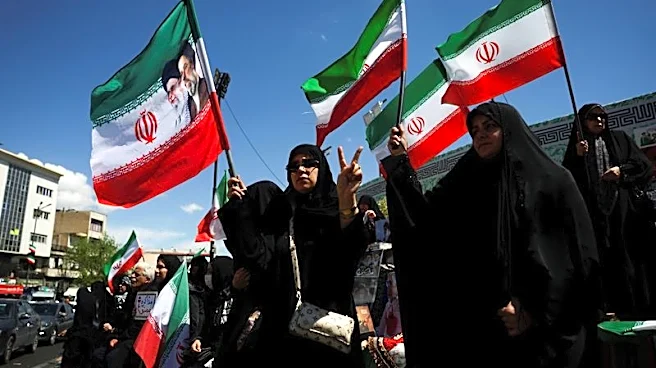
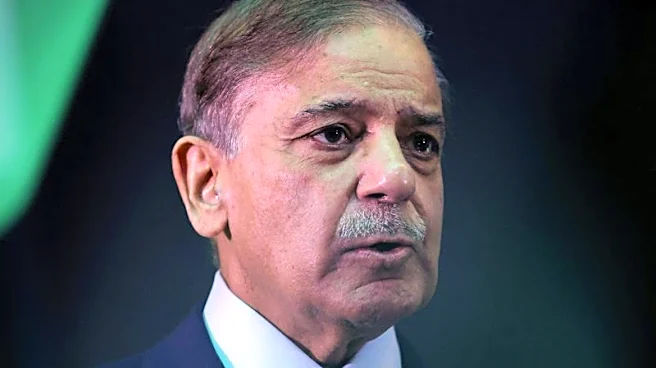
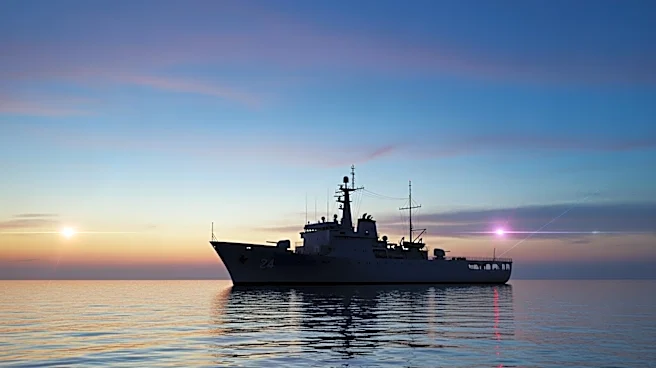
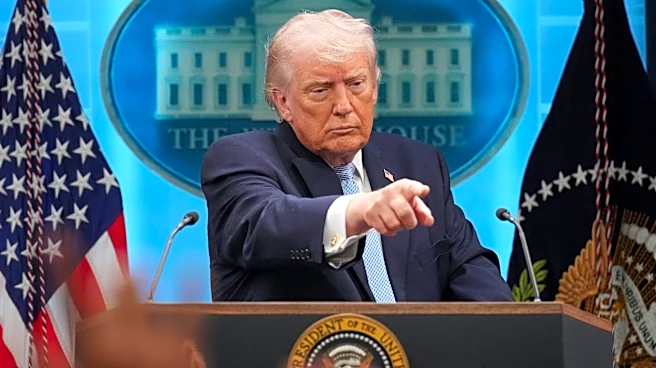
President Trump has stated that US military forces will remain deployed near Iran until Tehran fully complies with a ceasefire agreement. This announcement follows a two-week ceasefire brokered by Pakistan, aimed at halting hostilities and ensuring the
Strait of Hormuz remains open for shipping. Trump emphasized the readiness of US forces to engage in military action if the agreement is breached, highlighting the ongoing tensions and the potential for conflict. The situation has sparked optimism in global markets, with hopes that energy flows may resume through the strait.
Why It's Important?
The US military's presence near Iran is a critical factor in the geopolitical dynamics of the Middle East. The Strait of Hormuz is a vital passage for global oil shipments, and any disruption could have significant economic repercussions. The US's firm stance may also affect diplomatic relations with other countries in the region, including allies and adversaries. The situation underscores the complexities of international diplomacy and the challenges of achieving lasting peace in a region marked by historical conflicts and strategic interests.
What's Next?
The future of the ceasefire agreement remains uncertain, with potential military action looming if Iran fails to comply. Diplomatic efforts will be crucial in navigating the tensions and preventing escalation. The international community will be watching closely, as any developments could impact global energy markets and regional stability. Political leaders and stakeholders will need to address the challenges posed by the ongoing conflict and work towards a sustainable resolution.