



What's Happening?
The practice of isolating smart home devices on a separate home network is being debated for its potential security and performance benefits, alongside significant practical challenges. While separating devices onto a 2.4GHz band can improve range and reliability,
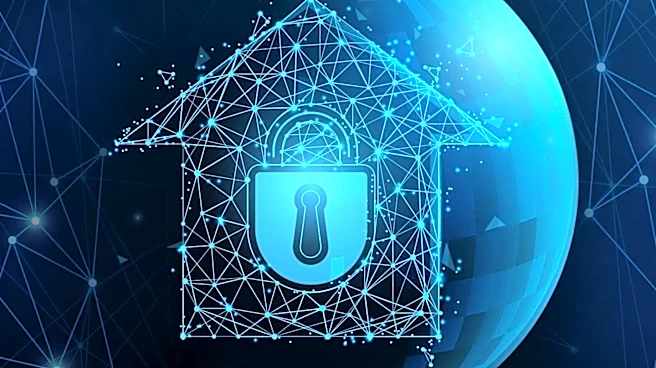
especially for outdoor accessories, and using a guest network can enhance security by preventing hackers from accessing sensitive personal devices, these measures are not without drawbacks. The primary concern is that devices on different networks may struggle to communicate with each other, hindering the functionality of a smart home system. This can lead to difficulties in controlling accessories from a main device like a computer or smartphone, often requiring manual network switching. Furthermore, mesh Wi-Fi systems, which rely on unified SSIDs, may not be compatible with band splitting, making such isolation impractical or impossible for many users. The increasing intertwining of AI and smart home technology further complicates these network configurations.
Why It's Important?
This discussion is critical for U.S. consumers and the smart home industry as it highlights the complex balance between security, performance, and usability. For consumers, making informed decisions about network setup can significantly impact their smart home experience, potentially preventing security breaches or frustrating connectivity issues. For manufacturers, it underscores the need for devices that are both secure and easily integrated into various network configurations, including those with isolated segments. The security implications are particularly significant, as smart home devices can be vulnerable entry points for cyberattacks, making network segmentation an attractive, albeit challenging, defense strategy. The trade-offs involved mean that a 'one-size-fits-all' solution is unlikely, requiring users to carefully assess their specific needs and technical capabilities before implementing network isolation strategies. This also points to a broader industry challenge in simplifying secure network management for the average user.
What's Next?
As smart home technology continues to advance and become more prevalent, the industry will likely focus on developing more user-friendly solutions for secure network management. This could include routers with built-in smart home device isolation features that are easier to configure, or devices designed with enhanced security protocols that reduce the need for complex network segmentation. There may also be a push for greater standardization in smart home device communication to ensure seamless interoperability across different network setups. For consumers, ongoing education about cybersecurity best practices for smart homes will be essential. The integration of AI into smart home systems will also necessitate more sophisticated security measures, as AI-powered devices could potentially be exploited in new ways. Ultimately, the goal will be to provide robust security without compromising the convenience and functionality that smart homes promise.
Beyond the Headlines
The debate over smart home network isolation touches upon a larger societal trend: the increasing interconnectedness of our personal lives with digital technology. As more aspects of our homes become 'smart,' the lines between physical and digital security blur. This raises fundamental questions about privacy, control, and the potential for surveillance within our most personal spaces. The challenges of securing smart home networks reflect a broader struggle to adapt traditional cybersecurity models to a rapidly expanding Internet of Things (IoT) ecosystem. It also highlights the responsibility of technology companies to design products with security and user control as paramount features, rather than leaving the burden solely on the end-user. The long-term implications could include new regulatory frameworks for IoT security, increased demand for cybersecurity insurance for homes, and a greater public awareness of digital hygiene in the domestic sphere.