


What's Happening?
The Muslim Islamabad community in Tilford, Surrey, has become the subject of viral videos and internet speculation, with over 100,000 views on clips circulating online. Imam Mansoor of the community has extended an open invitation for the public to visit
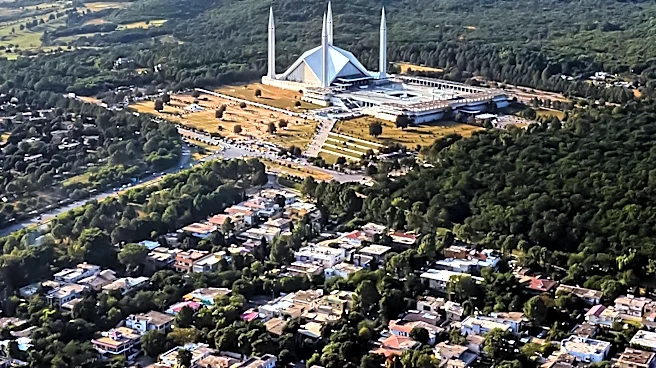
Islamabad, which includes a Mosque, sports center, and residential buildings, to dispel assumptions and foster understanding. The community, established in 1985 by the Ahmadiyya Muslim community, has been an integral part of Tilford for decades. Mansoor expressed disappointment over online commentators making assumptions but noted the heartwarming support from others. He emphasized that the community's DNA is woven with collaboration and service, including supporting local schools and charities, and building friendships. The site's security measures, often a point of online discussion, are explained as necessary precautions due to past persecution faced by the Ahmadiyya Muslim Community globally, not as a means of secrecy.
Why It's Important?
This situation is important as it highlights the impact of social media on public perception and the challenges faced by minority communities in combating misinformation. Viral videos, often taken out of context, can quickly generate widespread speculation and prejudice, leading to misunderstandings and negative stereotypes. The Islamabad community's proactive approach of inviting the public to visit and engage directly is a significant strategy for fostering interfaith dialogue and community relations. It underscores the importance of direct interaction in breaking down barriers and dispelling unfounded fears. For U.S. society, where similar issues of community misunderstanding and online misinformation can arise, this serves as a case study in how to address such challenges constructively. It also emphasizes the responsibility of individuals to seek accurate information and avoid forming opinions based solely on unverified online content, promoting a more informed and tolerant public discourse.
What's Next?
The Islamabad community plans to continue its open-door policy, actively inviting schools, neighbors, journalists, police, faith groups, and the general public to visit. Imam Mansoor hopes that increased direct engagement will transform curiosity into conversation and ultimately into friendship, countering the negative narratives spread online. The community aims to demonstrate its commitment to collaboration and service, showcasing its role as a positive contributor to the local area. This ongoing effort will likely involve more tours, community events, and opportunities for dialogue. The success of this initiative could serve as a model for other communities facing similar online scrutiny, demonstrating the effectiveness of transparency and direct engagement in building trust and understanding. The community's response also suggests a continued monitoring of online discussions to address any new waves of speculation with factual information and invitations for personal experience.
Beyond the Headlines
Beyond the immediate efforts to counter speculation, this event touches upon deeper societal issues concerning religious freedom, community integration, and the pervasive influence of digital media. The Ahmadiyya Muslim Community's history of persecution globally adds a layer of context to their security measures, highlighting the real-world implications of religious intolerance. The incident also underscores the ethical responsibility of social media platforms to address the spread of misinformation and hate speech. Culturally, it reflects the ongoing struggle for diverse communities to be understood and accepted in an increasingly interconnected yet often polarized world. The community's invitation to 'come and see us' is a powerful message that champions direct human connection as an antidote to online division. This approach could contribute to a broader societal shift towards valuing empathy and firsthand experience over anonymous online commentary, fostering a more inclusive and understanding social fabric.