
What's Happening?
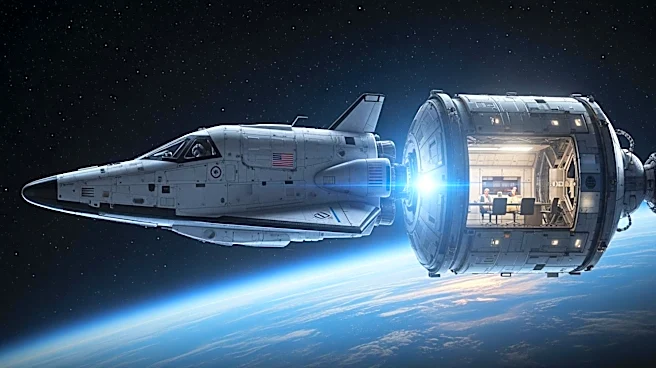
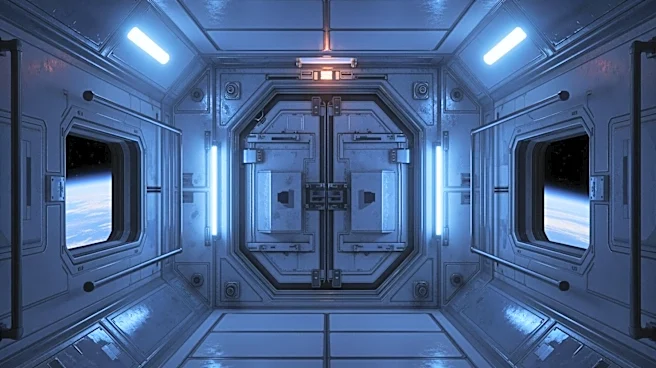
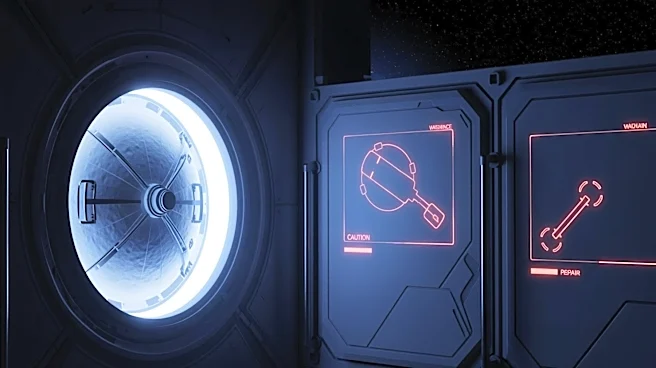
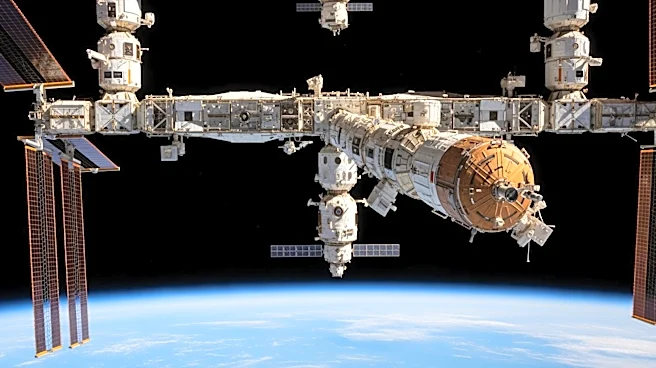
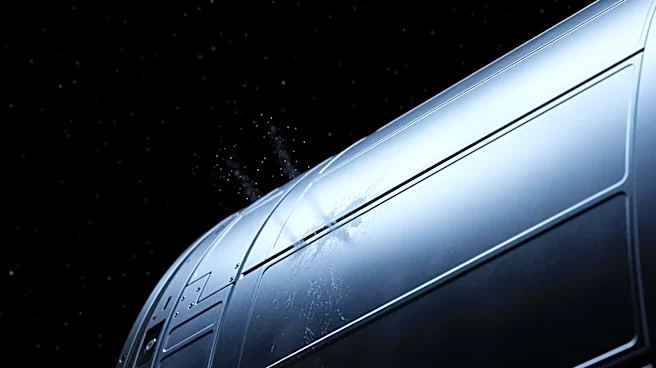
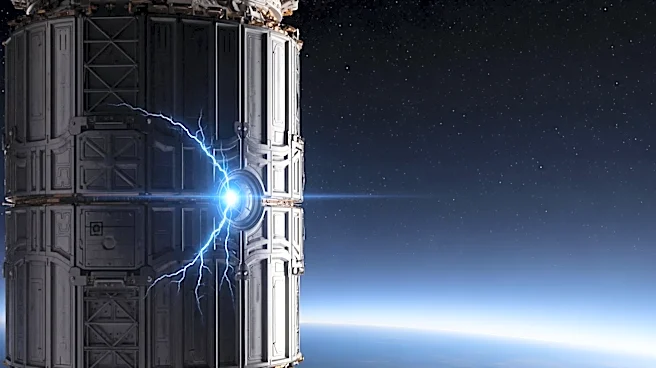
NASA has provided an update on the ongoing air leak issue within the International Space Station's Zvezda service module, managed by Russia's Roscosmos. The leak, originating from the PrK transfer tunnel,
has been a concern since 2019. Recently, during operations involving the Progress 95 spacecraft, the leak rate increased to approximately two pounds per day, prompting further investigation. In response, Roscosmos planned a more extensive inspection and structural repair, which included cutting a bracket to access potential leak areas. However, due to potential structural risks, NASA directed astronauts to take precautionary measures by sheltering in the SpaceX Dragon spacecraft. Roscosmos later paused the repair work to gather more data, with NASA supporting this decision. The astronauts have since returned to normal operations.
Why It's Important?
The situation highlights the ongoing challenges of maintaining the International Space Station, a critical asset for international space research and cooperation. The leak poses potential risks to the safety of astronauts and the integrity of the station. The collaboration between NASA and Roscosmos in addressing the issue underscores the importance of international partnerships in space exploration. The incident also raises concerns about the aging infrastructure of the ISS and the need for continuous monitoring and maintenance to ensure the safety and success of missions. The outcome of these efforts could influence future policies and investments in space station operations and international collaborations.
What's Next?
NASA and Roscosmos will continue to monitor the situation closely, gathering more data to inform their next steps. The focus will be on ensuring the safety of the crew and the structural integrity of the ISS. Further inspections and potential repairs will be planned based on the data collected. The incident may prompt discussions among international partners about the long-term sustainability and maintenance strategies for the ISS. Additionally, it could influence future decisions regarding the development and deployment of new space station modules or facilities.