






What's Happening?
The town of La Veta in southeast Colorado is grappling with a severe water crisis as its primary water source, the Cucharas River, ran dry in early June. Mayor Doug Brgoch confirmed that while the town's two reservoirs are approximately 60% full, the significantly
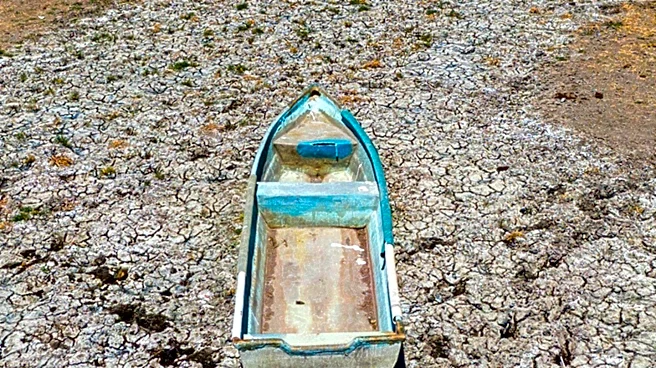
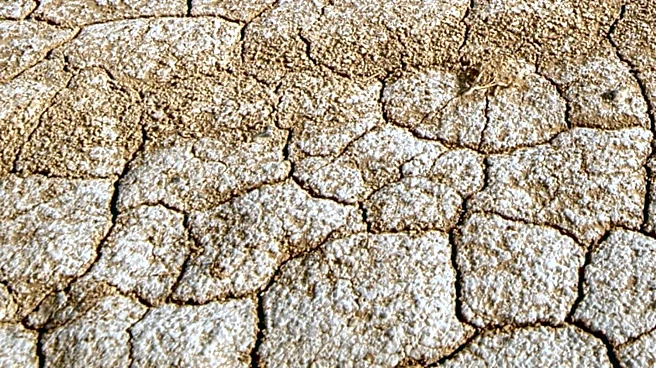
reduced flow from the Cucharas River means they cannot replenish their supply as usual. This year, the town can only draw a fraction of the water it typically would from the river. Huerfano County, where La Veta is located, is experiencing its second-worst drought year in 132 years, classified as extreme to exceptional. The drought has led to widespread drying of wells and creek beds, with the Wahatoya and Daigre reservoirs, state wildlife areas, being drained to supply downstream users, leaving behind cracked lakebeds and stranded aquatic life. La Veta has escalated its water restrictions to Stage Four, prohibiting all outdoor water use.
Why It's Important?
This severe drought in La Veta underscores the critical vulnerability of many small U.S. towns to climate change and water scarcity. The reliance on surface water sources, particularly in regions with variable snowpack, exposes communities to significant risks when precipitation patterns shift. The 'first in time, first in right' water rights system in Colorado, while historically established, exacerbates the problem during droughts, as senior rights holders receive water before junior ones, often leaving agricultural producers and smaller communities with insufficient supply. The economic impact is already evident, with Mayor Brgoch, also a rancher, cutting his herd by 60% due to dry tributary streams. The decline in tourism, a vital part of La Veta's economy, further illustrates the cascading effects of environmental crises on local livelihoods and economic stability.
What's Next?
Mayor Brgoch is hesitant to provide a specific timeline for how long La Veta can sustain itself on its current water reserves, citing the unpredictable nature of environmental conditions. However, he expressed confidence that the town could manage through the winter until the anticipated spring runoff. Should the situation worsen, the town would face the 'incomprehensible' prospect of trucking in water, a costly and complex undertaking, especially if other communities are also conserving. Efforts are underway upstream, with the Cuchara Mountain Resort planning to expand snowmaking operations using winter-only water rights, hoping to contribute to the Cucharas River's replenishment next spring. Downstream, La Veta is adapting to what Mayor Brgoch describes as a 'cycle of drought,' suggesting that a return to normal water conditions may require more than one season, necessitating long-term water conservation strategies and potentially infrastructure improvements.
Beyond the Headlines
The water crisis in La Veta highlights the broader challenges facing the American West regarding water management and climate resilience. The drying of the Cucharas River is not an isolated incident but part of a larger pattern of diminishing water resources across the region, driven by reduced snowpack and earlier, weaker runoff. This situation forces communities to confront difficult choices about resource allocation, economic priorities, and the sustainability of current lifestyles. The impact on tourism, as noted by La Veta Mercantile owner Emile Dubia, reveals how environmental changes can directly affect local economies, even in areas not directly dependent on agriculture. The town's experience serves as a microcosm for the urgent need for comprehensive water conservation policies, inter-state cooperation on water rights, and investment in resilient infrastructure to mitigate the effects of prolonged drought and ensure the viability of communities in arid regions.