







What's Happening?
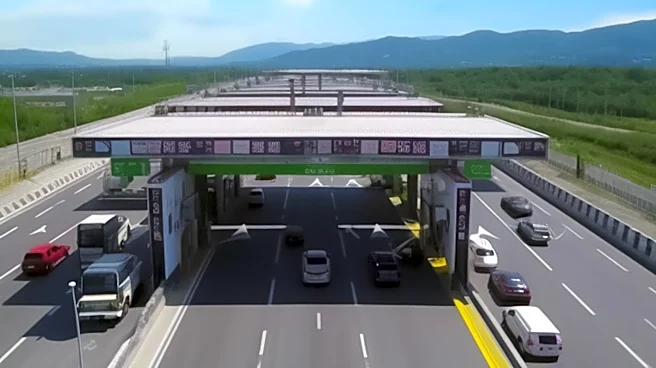
Toll roads are a prevalent feature of the transportation infrastructure in several key regions across the United States, including the Northeast, Florida, Texas, and California. Specifically, in California, toll roads are primarily found in Southern California's
Orange County and within major metropolitan express lanes in both the San Francisco Bay Area and Greater Los Angeles. A significant trend in these toll systems is the shift towards cashless operations, utilizing license-plate billing rather than traditional toll booths. This modernization means that drivers, particularly those using rental vehicles, need to be aware of how these systems function. Rental car companies frequently incorporate automatic toll passes into their contracts, often accompanied by a daily service fee. Travelers are advised to inquire about these charges at the time of vehicle pickup to avoid unexpected fees after their trip. An International Driving Permit (IDP) is a document for driving authorization but does not cover toll payments, which are handled separately, often through the rental company's pass system.
Why It's Important?
The widespread adoption of cashless tolling systems across major U.S. regions has significant implications for both residents and visitors, particularly those relying on rental cars. For the average driver, understanding these systems is crucial to avoid fines and unexpected costs. The automatic inclusion of toll passes by rental companies, while convenient, can lead to additional daily service fees that accumulate over the duration of a trip, impacting travel budgets. This shift also highlights a broader move towards automated payment systems in infrastructure, reducing traffic congestion at former toll booths but requiring drivers to adapt to new payment methods. For the tourism and rental car industries, clear communication about toll policies and associated costs is essential to maintain customer satisfaction and prevent disputes. The distinction between an International Driving Permit as a driving authorization and its lack of function as a payment method for tolls is also vital for international visitors to understand, ensuring they are prepared for all aspects of driving in the U.S.
What's Next?
As cashless tolling continues to expand, drivers can expect further integration of automated payment solutions across more U.S. roadways. Rental car companies will likely continue to refine their toll pass offerings, potentially exploring more flexible or transparent pricing models to address customer concerns about hidden fees. There may also be increased public awareness campaigns by state transportation authorities to educate drivers on how to navigate cashless toll roads, including options for one-time payments or setting up personal accounts for frequent travelers. For international visitors, clearer guidelines and information regarding U.S. toll systems will become increasingly important, possibly through collaborations between travel agencies, rental companies, and government entities. The ongoing evolution of these systems aims to enhance traffic flow and efficiency, but it necessitates continuous adaptation from drivers and service providers alike.
Beyond the Headlines
The transition to cashless toll roads reflects a broader societal move towards digital transactions and away from physical currency, impacting personal finance and privacy. While convenient, license-plate billing raises questions about data collection and how driver information is stored and used by toll authorities and third-party service providers. The reliance on automated systems also creates a potential barrier for individuals who may not have access to electronic payment methods or who prefer traditional cash transactions, potentially leading to inequities in access to transportation infrastructure. Furthermore, the 'set it and forget it' nature of rental car toll passes, while convenient, can detach consumers from the actual cost of tolls, potentially leading to less conscious spending on travel. This technological shift underscores the ongoing challenge of balancing efficiency and convenience with consumer protection, data privacy, and equitable access to public services.