






What's Happening?
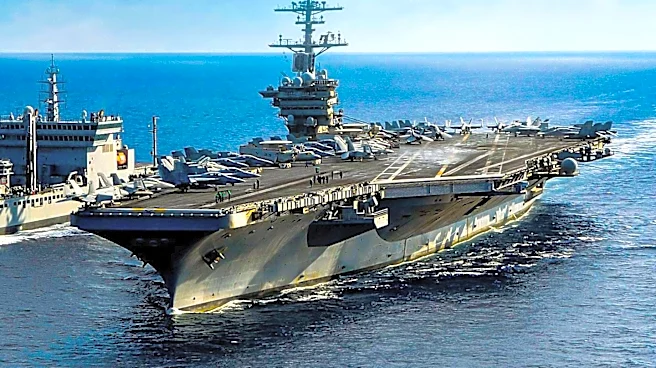
Representative Scott Peters, alongside other California lawmakers, has initiated an independent review into the prolonged deployment of the USS Abraham Lincoln and Carrier Strike Group 3. The lawmakers sent a letter to the Defense Department’s inspector
general, expressing significant concerns regarding the extended deployment, which began on November 21, 2025, from San Diego. The letter specifically requests information about the processes, rationale, and decisions that led to the extended period at sea. Reports cited by the lawmakers indicate potential issues with supply shortages, unsanitary conditions, and the overall impact on crew morale and future readiness. They are also seeking details on the availability of training, support, and mental health resources for the deployed personnel. The inquiry aims to understand if the Navy has implemented lessons learned from this deployment before the USS George Washington is scheduled to relieve the USS Abraham Lincoln.
Why It's Important?
This congressional inquiry is important as it directly addresses the well-being of U.S. military personnel and the operational readiness of a critical naval asset. Extended deployments can significantly strain resources, impact the mental and physical health of service members, and potentially compromise the long-term effectiveness of naval operations. Concerns about supply and sanitary conditions, if substantiated, could point to systemic issues within naval logistics and support systems. Furthermore, the focus on mental health resources highlights a growing recognition of the psychological toll of prolonged service, which can affect retention rates and overall force strength. The findings of this review could lead to policy changes regarding deployment durations, resource allocation, and support services for military families, ultimately influencing the U.S. Navy's ability to maintain a ready and resilient force.
What's Next?
The Defense Department’s inspector general is expected to respond to the letter from Representative Peters and the other California lawmakers. This response will likely include an outline of the steps taken to investigate the concerns raised. The lawmakers have specifically asked for findings and recommendations, suggesting that they anticipate a comprehensive report on the matter. Depending on the inspector general's findings, there could be subsequent congressional hearings, legislative proposals aimed at addressing identified deficiencies, or internal policy adjustments within the Navy. Stakeholders, including military families, veterans' advocacy groups, and defense contractors, will be closely watching the outcome, as it could influence future defense spending priorities and the implementation of new support programs for deployed service members.
Beyond the Headlines
Beyond the immediate concerns of the USS Abraham Lincoln's deployment, this inquiry touches upon broader issues of military readiness and the human cost of sustained global presence. The potential for 'psychological scarring' among service members due to extended deployments, as mentioned in a related context, underscores the long-term impact on individuals and their families. This situation could also highlight the strategic challenges faced by the U.S. Navy in balancing global commitments with the need to maintain a healthy and sustainable force. The outcome of this investigation might prompt a re-evaluation of deployment strategies, emphasizing rotational deployments and increased homeport time to mitigate burnout and improve overall quality of life for sailors. It could also spur innovation in logistics and support systems to ensure that deployed units are adequately resourced, even during unforeseen extensions.