





What's Happening?
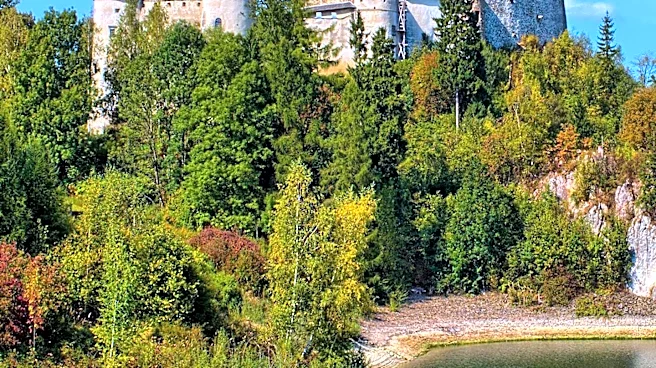
The town of Bad Düben in Saxony, Germany, has put its historic Schnaditz Castle up for sale for a symbolic price of just €1. This initiative aims to attract an investor willing to undertake extensive restoration work on the approximately 800-year-old
moated fortress. The castle, covering about 1,012 square meters, includes a knights' hall and two towers. Local district head Matthias Miethe emphasized the castle's historical importance to the region and Saxony, noting its current poor condition despite a watertight roof. The property, once owned by the noble von Zaschnitz family, was nationalized in 1945 and used for various public services during the GDR era. After German reunification in 1990, it remained unused for many years. A previous attempt in 2014 by a U.S. citizen and her son to convert it into a hotel, restaurant, and wine bar did not materialize, leading to the property's return to municipal ownership in 2018. The town hopes the low asking price will incentivize a new owner to restore and repurpose the landmark.
Why It's Important?
This sale highlights a common challenge faced by European municipalities with historic properties: the immense cost of preservation and the search for sustainable solutions. While not directly impacting U.S. industries or politics, the situation reflects broader trends in heritage conservation and investment. For potential U.S. investors, it represents a unique opportunity to acquire a significant European historical asset at a minimal upfront cost, provided they have the capital and vision for a large-scale restoration project. Such investments can contribute to cultural exchange and tourism, potentially drawing American visitors to the region. The failure of the previous U.S.-led project in 2014 also serves as a cautionary tale, underscoring the complexities and financial demands involved in restoring centuries-old European structures. The success of this new initiative could set a precedent for how other historic European properties are preserved through international private investment.
What's Next?
The town of Bad Düben will now await proposals from potential investors interested in acquiring Schnaditz Castle for the symbolic €1. The focus will be on evaluating these proposals based on the investors' plans for restoration, their financial capacity, and their vision for the castle's future use. Local authorities will likely prioritize plans that ensure the long-term preservation of the historic structure and contribute positively to the local community, whether through tourism, cultural activities, or other sustainable ventures. The process will involve careful vetting to avoid a repeat of the failed 2014 project. The outcome could influence future strategies for heritage preservation in Germany and potentially other European countries facing similar challenges with maintaining historic sites.
Beyond the Headlines
The offering of Schnaditz Castle for a nominal fee underscores the evolving economics of heritage preservation. It reflects a shift from direct public funding to seeking private sector involvement, often through creative financial incentives. This approach raises questions about the balance between historical integrity and commercial viability, as new owners will likely seek to monetize their investment. The symbolic price tag also highlights the intrinsic value placed on cultural heritage, even when its upkeep is financially burdensome. It implicitly acknowledges that the true cost lies not in the acquisition but in the extensive, specialized labor and materials required for restoration. This model could become more prevalent as municipalities grapple with aging infrastructure and limited budgets, potentially leading to more international private entities playing a role in preserving global historical landmarks.