
What's Happening?
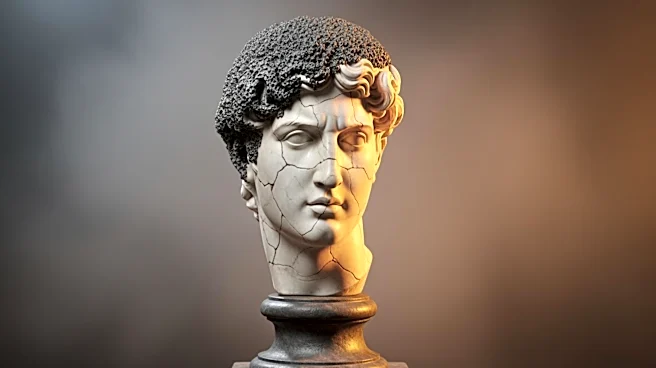
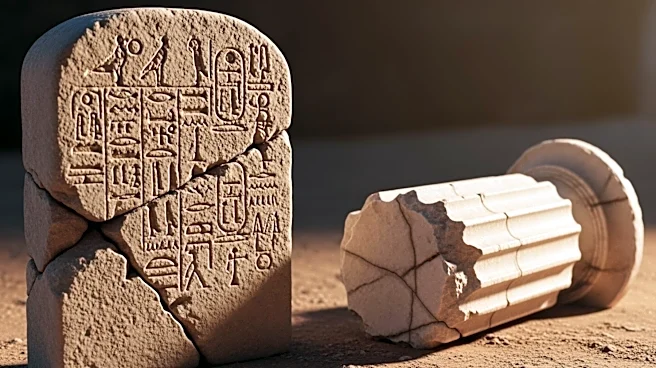
The concept of cancel culture, often seen as a modern phenomenon, has historical roots in ancient Egypt and Rome. In these civilizations, the practice of damnatio memoriae, or the condemnation of memory,
was used to erase the legacies of political figures posthumously. This involved physically defacing statues, removing names from inscriptions, and voiding official acts. Notable figures such as Akhenaten and Hatshepsut in Egypt, and Nero and Domitian in Rome, were subjected to these practices. The erasure was not just a political act but also a spiritual one, as it was believed to sever the deceased from the afterlife. This historical context shows that the erasure of controversial figures has long been a tool for political consolidation and public appeasement.
Why It's Important?
Understanding the historical precedent of cancel culture provides insight into how societies have managed dissent and reshaped historical narratives. The practice of damnatio memoriae highlights the lengths to which rulers would go to control public perception and maintain power. In modern times, the digital equivalent of this practice can be seen in the removal of controversial figures from public platforms. The historical context underscores the enduring nature of societal attempts to rewrite history and the implications for cultural memory and identity. It also raises questions about the effectiveness and ethical considerations of such practices in shaping public discourse.