







What's Happening?
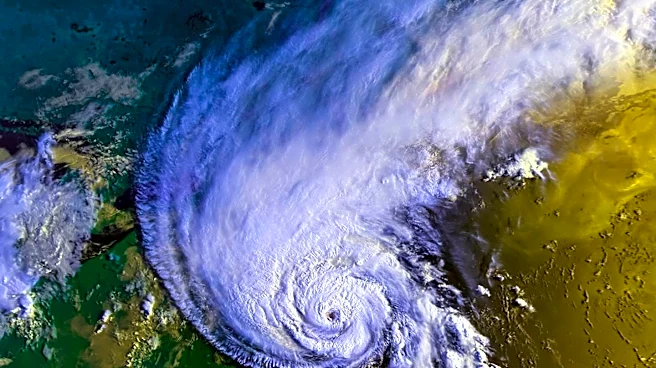
South Carolina is grappling with the ongoing risks posed by hurricanes, which extend beyond immediate storm impacts. Meteorologist Leslie Hudson highlights the issue of 'post-storm isolation,' where major highway closures and isolated inland communities
remain a significant concern. The aftermath of hurricanes like Helene and Florence demonstrated how flooding and road closures can disrupt travel and recovery efforts long after the storm has passed. These conditions can leave communities cut off, complicating emergency response and recovery operations.
Why It's Important?
Understanding the full scope of hurricane impacts is crucial for effective disaster preparedness and response. The isolation of communities due to road closures can hinder access to essential services and delay recovery efforts, exacerbating the challenges faced by affected populations. This highlights the need for comprehensive planning that addresses not only the immediate effects of hurricanes but also the longer-term transportation and infrastructure issues that can arise. Ensuring that communities remain accessible is vital for minimizing the social and economic disruptions caused by hurricanes.
What's Next?
Efforts to mitigate the risks associated with post-storm isolation will likely focus on improving infrastructure resilience and emergency response strategies. This may involve enhancing road networks to withstand flooding, developing alternative transportation routes, and ensuring that emergency services can reach isolated areas quickly. Policymakers and emergency management agencies will need to prioritize these measures to protect communities and support swift recovery in the aftermath of hurricanes.