



What's Happening?
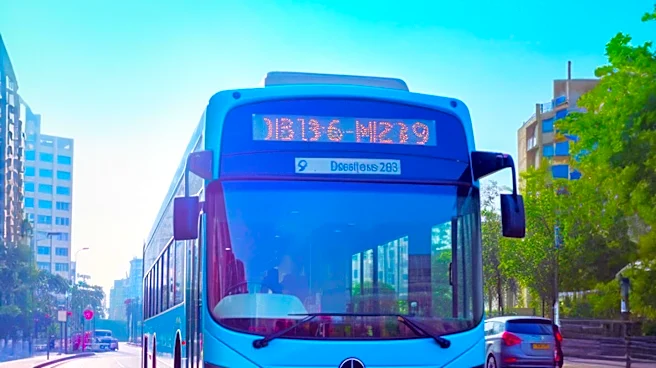
Baltimore is initiating a new $50 million project to enhance its bus transit system, focusing on dedicated bus lanes, improved stops, and adaptive traffic signals. This multiyear effort, known as RAISE, aims to accelerate travel times on the MTA’s CityLink
Orange and Blue routes, as well as the QuickLink 40, which collectively serve over 10,000 daily riders. Key improvements include the addition of approximately 2.5 miles of dedicated bus lanes on the west side of the route, extending from Edmondson Avenue and Cooks Lane to the West Baltimore MARC station. On the east side, 15 bus stops will be upgraded with 'bus bulbs,' which are curb and sidewalk extensions designed to provide larger waiting areas and facilitate level boarding for wheelchair users, allowing buses to re-enter traffic more smoothly. A dedicated bus lane on Fayette Street will also feature a 'queue jump' at President Street, granting buses a green light ahead of other traffic. The project, which received a $22 million federal grant, is expected to be completed by 2029, despite facing delays and scope reductions due to increased costs and community concerns over parking.
Why It's Important?
This infrastructure project is crucial for Baltimore, particularly for communities with high rates of households lacking personal vehicles, as it directly addresses the need for more efficient and reliable public transportation. By speeding up bus routes and improving accessibility, the RAISE project has the potential to significantly enhance daily commutes, expand economic opportunities, and improve the overall quality of life for thousands of residents. The implementation of features like 'bus bulbs' and 'queue jumps' represents a modern approach to urban transit planning, prioritizing public transport efficiency over private vehicle flow in certain areas. The project also highlights the ongoing challenges faced by U.S. cities in funding and executing large-scale infrastructure initiatives, as evidenced by the delays, cost increases, and necessary adjustments. Furthermore, it underscores the broader political and financial complexities surrounding major transit developments, such as the long-awaited Red Line, whose future remains uncertain amid rising construction costs and budget constraints.
What's Next?
Construction on the dedicated bus lanes and other improvements for Baltimore's RAISE project is set to begin later this month. While the project aims to alleviate current transit delays, riders should anticipate that the full benefits will not be realized until its scheduled completion in 2029. Concurrently, the debate surrounding the long-term Red Line project continues, with Governor Wes Moore considering a shift from a light rail system to a rapid bus system due to escalating construction costs and budget limitations. This decision will significantly influence the future of east-west connectivity in Baltimore. Various stakeholders, including transit equity advocacy groups, will closely monitor the progress of the RAISE project and continue to push for sustained investment and improvements in the city's public transportation network, ensuring that these developments serve the needs of all communities.
Beyond the Headlines
The RAISE project in Baltimore reflects a growing national trend where cities are increasingly adopting Bus Rapid Transit (BRT) solutions as a pragmatic and often more cost-effective alternative or complement to traditional rail systems. This shift is often driven by the need for quicker implementation and adaptability to evolving urban landscapes. The project's emphasis on improving service for high-ridership routes and underserved communities also highlights the critical role of public transit in advancing social equity and economic justice. The inherent tension between enhancing public transit efficiency and accommodating private vehicle traffic, particularly concerning issues like parking and lane allocation, is a common challenge in urban planning. This development in Baltimore serves as a microcosm of the broader national conversation about sustainable urban development, equitable access to services, and the strategic allocation of public funds for infrastructure that serves the greatest public good.