


What's Happening?
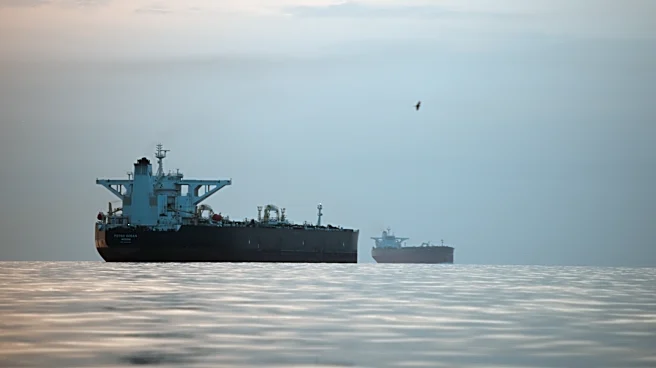
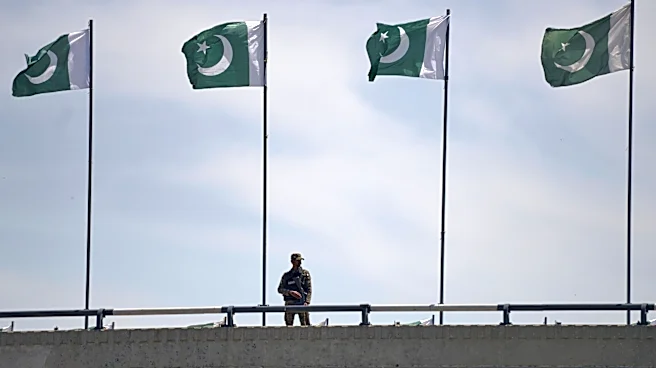
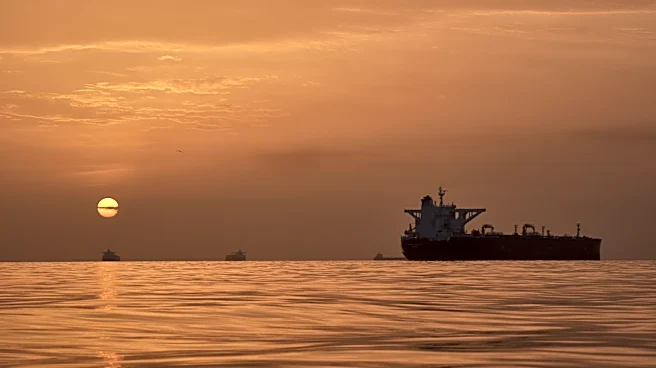
Iran has announced it will not participate in upcoming peace talks with the United States in Pakistan, citing violations of the ceasefire by the U.S. The Iranian foreign ministry has accused the U.S. of aggressive actions, including the seizure of an Iranian cargo
ship, which Iran claims breached the truce. President Trump has reiterated threats to attack Iran's energy infrastructure if a deal is not reached. The initial talks in Islamabad ended without an agreement, and both sides have accused each other of ceasefire violations. The situation remains tense as the ceasefire is set to expire, raising concerns about the potential resumption of hostilities.
Why It's Important?
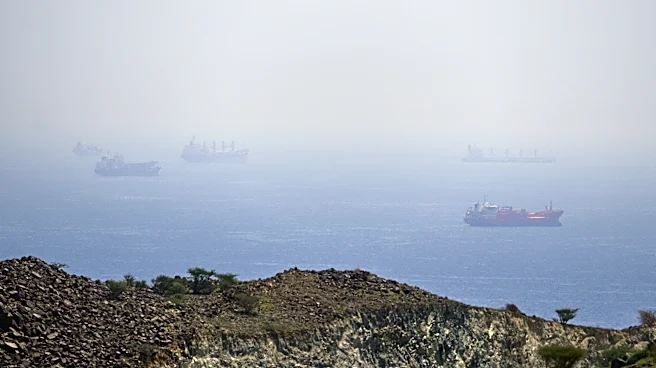
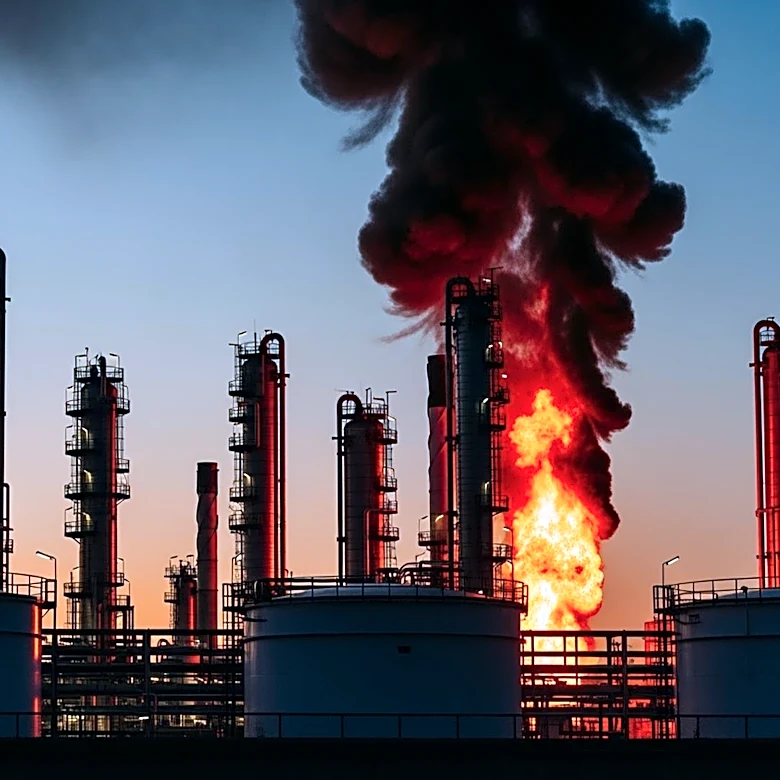
The refusal of Iran to engage in peace talks with the U.S. highlights the deep-seated mistrust and unresolved issues between the two nations. The ongoing conflict has significant implications for regional stability and global markets, particularly the oil industry. The Strait of Hormuz, a vital passage for global oil supply, remains a focal point of tension, affecting oil prices and economic stability worldwide. The failure to reach a diplomatic solution could lead to further military engagements, impacting geopolitical dynamics and international relations. The situation underscores the challenges of negotiating peace in a region fraught with historical and political complexities.
What's Next?
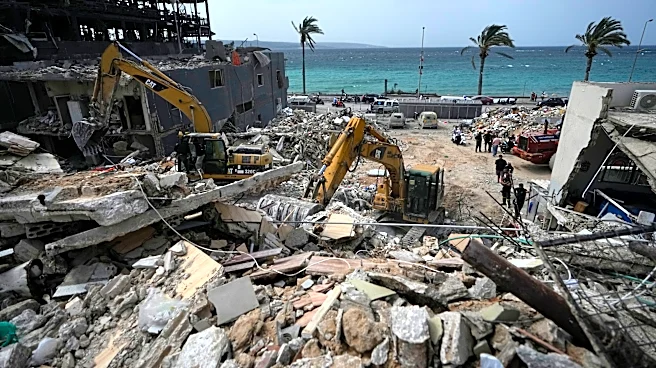
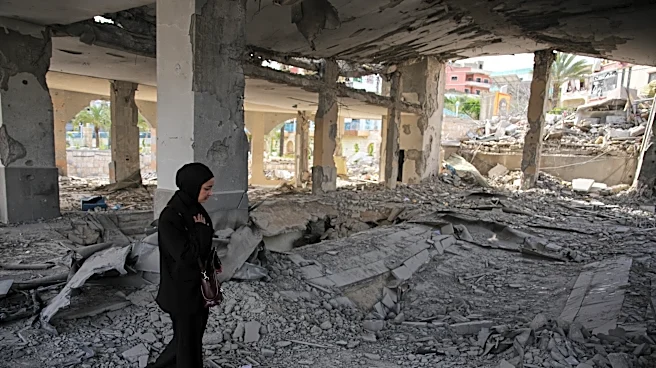
With the ceasefire set to expire, the risk of renewed hostilities looms large. The U.S. has expressed its intention to continue diplomatic efforts, but Iran's refusal to participate in talks complicates the path to peace. The international community may need to intervene to facilitate dialogue and prevent escalation. The situation remains fluid, with potential for both diplomatic breakthroughs and military confrontations. Stakeholders, including regional powers and international organizations, may play a crucial role in mediating the conflict and ensuring stability in the Middle East.