







What's Happening?
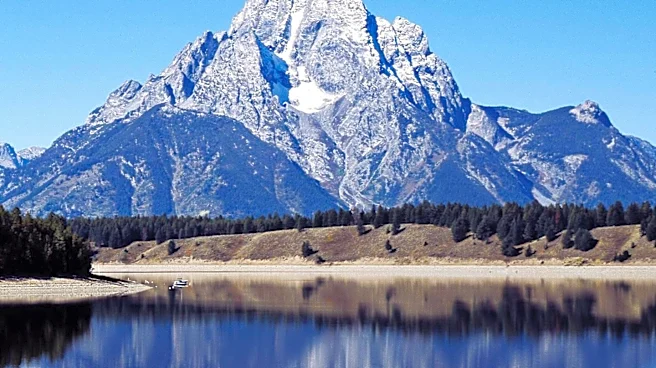
Grand Teton National Park is advising visitors on the best times and safety precautions for paddling its glacier-fed lakes, which remain extremely cold year-round. The optimal paddling season is from June through September, though smaller alpine lakes may
retain ice into June. Due to the cold water, hypothermia is a significant risk, and paddlers are strongly encouraged to wear properly fitted personal flotation devices (PFDs) or life jackets. Stand-up paddleboard (SUP) users and beginners are advised to stay close to shore or consider wearing a wetsuit. The park also warns about rapidly changing weather conditions, where calm mornings can quickly turn into high winds, chop, or sudden thunderstorms. Visitors are urged to check local forecasts, launch early in the day, and monitor for threatening clouds. Additionally, the park is active grizzly and black bear territory, necessitating precautions such as carrying bear spray and never leaving food or scented items unattended. All watercraft, including paddleboards 10 feet or longer, require an Aquatic Invasive Species (AIS) inspection and a Wyoming AIS decal, along with a Grand Teton Boat Permit.
Why It's Important?
The safety guidelines issued by Grand Teton National Park are crucial for protecting visitors engaging in water activities in a challenging natural environment. The emphasis on cold water hazards and rapidly changing weather conditions highlights the inherent risks of alpine paddling and the importance of preparedness. These warnings are vital for preventing accidents, injuries, and fatalities, thereby ensuring the well-being of tourists and recreational enthusiasts. The requirement for AIS inspections and decals underscores the park's commitment to environmental conservation, aiming to prevent the spread of invasive species that can devastate native ecosystems. Furthermore, the bear country rules are essential for human-wildlife coexistence and visitor safety in areas with large predators. These regulations and advisories impact tourism operators, equipment rental businesses, and individual paddlers by setting clear standards for safe and responsible recreation, contributing to the long-term sustainability of outdoor activities in national parks.
What's Next?
Visitors planning to paddle in Grand Teton National Park will need to adhere strictly to the outlined safety protocols and permit requirements. This includes obtaining necessary permits and decals before launching any watercraft. Park rangers and local outfitters will likely continue to educate visitors on these guidelines, potentially through informational campaigns, signage, and direct advisories. There may be increased enforcement of AIS inspections and PFD usage to ensure compliance and safety. As climate patterns evolve, the park may need to adjust its recommendations regarding optimal paddling seasons and weather-related warnings. Ongoing research into invasive species management will also inform future policies. For businesses operating in the area, providing appropriate gear like wetsuits and bear spray, and ensuring customers are aware of park regulations, will be critical for their operations and reputation. The park may also explore additional educational programs to enhance visitor awareness of environmental and wildlife safety.
Beyond the Headlines
The detailed safety advisories from Grand Teton National Park reflect a broader tension between promoting outdoor recreation and preserving pristine natural environments. The park's efforts to mitigate risks from cold water, unpredictable weather, and wildlife encounters highlight the complex challenges of managing human interaction with wilderness. The AIS inspection requirement points to the pervasive threat of ecological disruption from human activities, even seemingly benign ones like paddleboarding. This situation underscores the ethical responsibility of visitors to be informed and prepared, not only for their own safety but also for the protection of the natural resources they are enjoying. The balance between accessibility and conservation is a continuous challenge for national parks, requiring adaptive management strategies and public cooperation. The experience of paddling in such a majestic yet demanding environment also offers profound lessons in humility, respect for nature, and the importance of personal responsibility in outdoor pursuits.